
Are BCAA Supplements a Solution for Muscle Growth, Recovery, and Longevity?
Since muscle is the organ of longevity & this substack covers how to extend longevity, supplements are an essential part of the equation. This time we look at how BCAAs could support muscle growth.

BCAAs - Are they a Viable Solution?
The first two supplements covered, creatine and protein, have an extensive amount of evidence to support their efficacy for muscle growth; however, for this next supplement though, the jury is still out.
Branched chain amino acids (BCAAs) are a popular supplement promoted for supporting muscle growth and optimal recovery from strength training. There have been many studies that provide evidence that BCAAs work to promote recovery from exercise and muscle growth; yet, there have also been studies suggesting that BCAAs don’t do much except change the color of urine (to a darker yellow shade).
As we progress past the age of 40, having muscles isn’t just about looking better (although it helps - a LOT); the reality is that adding muscle IS the foundation for optimizing long-term health, mobility, independence and, yes, longevity. After the age of 35, muscle loss, known as sarcopenia, accelerates, increasing the metabolic decline (muscle cells become insulin resistant) a precursor for a number of chronic diseases including obesity, onset diabetes and heart disease. The point is, without consistent strength training, you are not doing everything to optimize your long-term health.
The good news is that progressively challenging strength training, combined with appropriate nutrition and healthy lifestyle habits like proper sleep hygiene, can maintain or even add muscle, especially when the right supplements are used to promote recovery. BCAA supplements could offer an additional resource for stimulating muscle growth and enhancing recovery, however, because of the mixed results in the research, I do not advocate for them as strongly as I do creatine and protein. In short, I use BCAAs because, in my experience, I feel they do help my recovery from hard workouts. I will drink BCAAs during and immediately after a hard workout because it feels like it does help with my recovery, but only you can decide what works best for your program.
This post will explain what BCAAs are, how they work in the body, the types of BCAA supplements available, and how they can help those of us over the age of 40 add muscle mass to extend our health span.
What Are BCAAs?
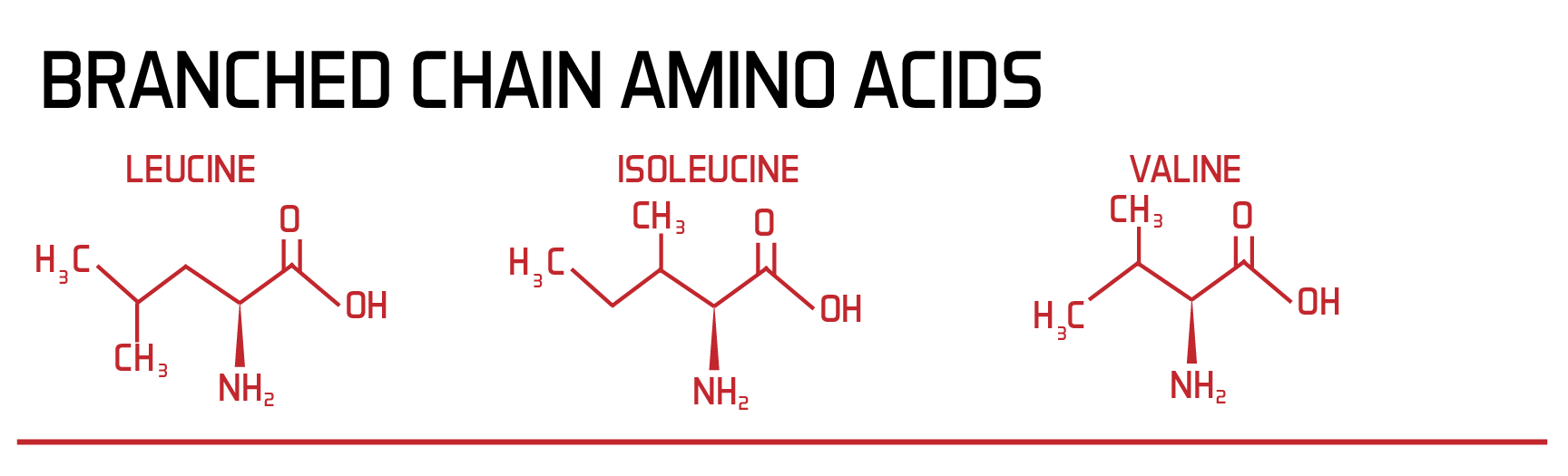
BCAAs are a group of three essential amino acids with a unique chemical structure that allows them to be metabolized directly in skeletal muscle:
Leucine
The primary trigger of muscle protein synthesis (MPS) via activation of the mTOR pathway (Kimball & Jefferson, 2006).
Isoleucine
Supports glucose uptake and energy production during exercise.
Valine
Contributes to energy metabolism and helps reduce fatigue.
Because they are “essential,” BCAAs cannot be produced by the body and must come from diet or supplementation.
How Muscles Use BCAAs for Repair and Growth
Unlike most amino acids, which are metabolized in the liver, BCAAs bypass the liver and are oxidized directly in muscle tissue. This gives them a rapid and direct role in:
Triggering Muscle Growth: Leucine activates the mTOR pathway, initiating muscle protein synthesis and signaling the body to build new muscle tissue.
Fueling Exercise: BCAAs can be used as an energy source during prolonged exercise, helping spare glycogen stores.
Reducing Muscle Breakdown: Supplementation helps reduce muscle protein degradation, especially in states of calorie restriction or heavy training.
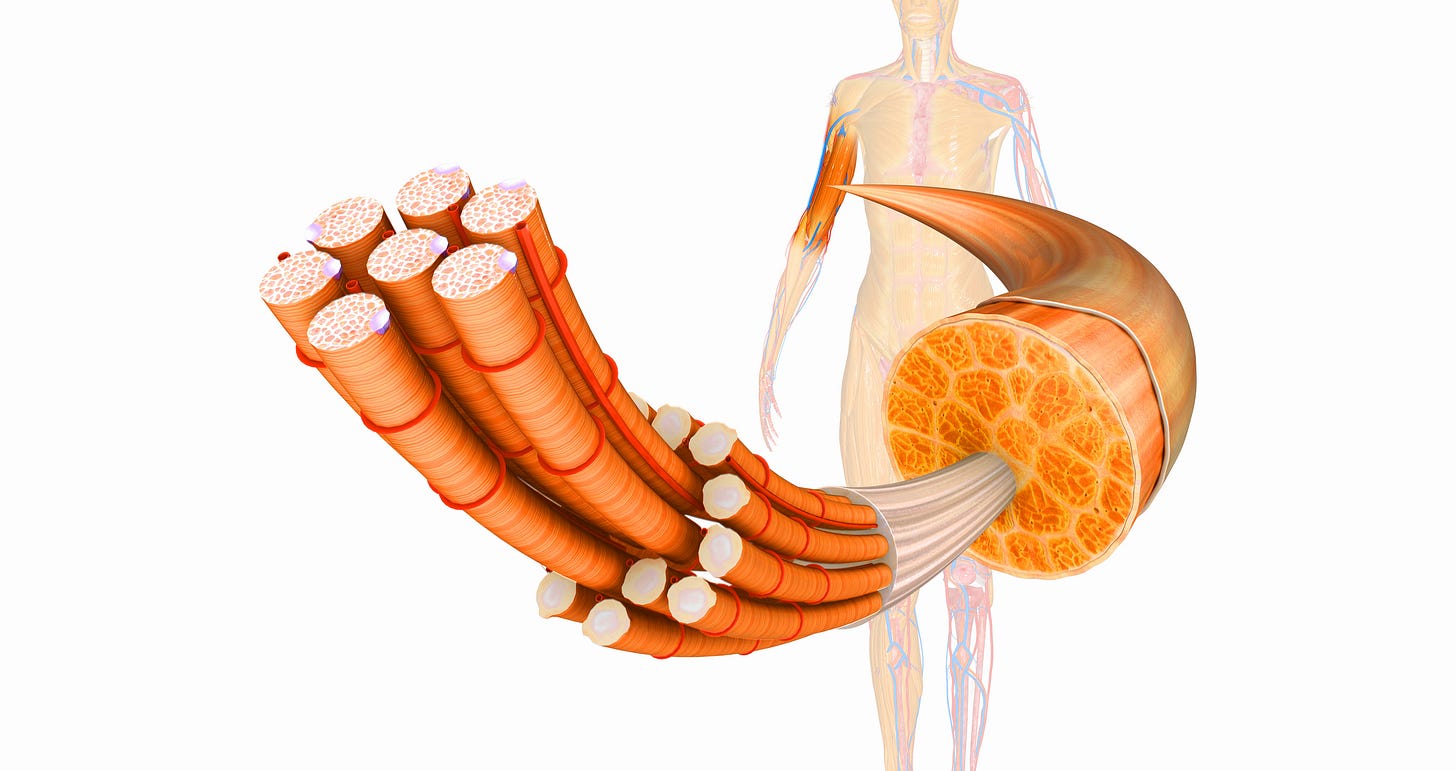
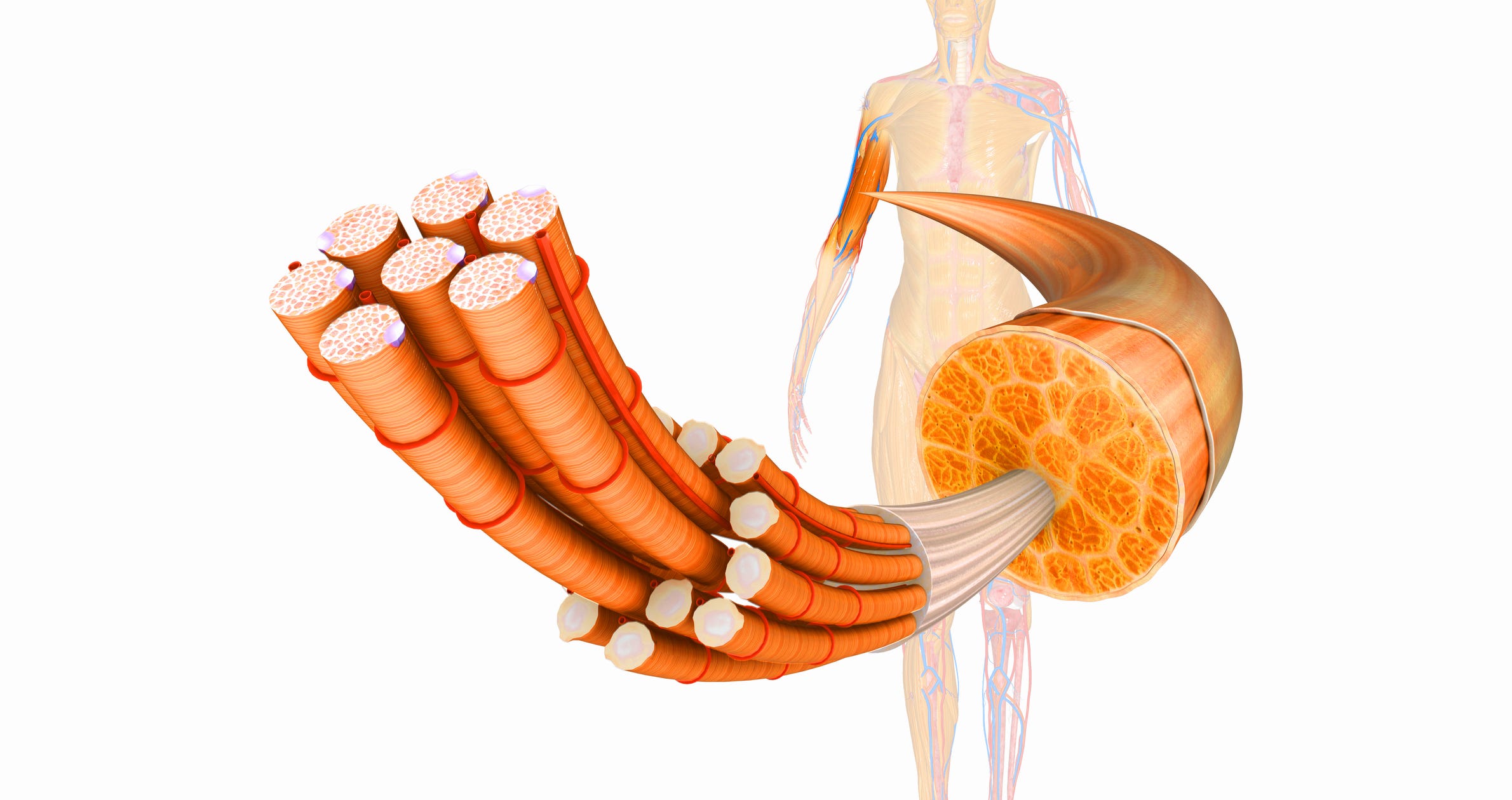
Exercise damages muscles, the theory is that taking BCAAs could help promote muscle repair for a faster recovery.
Benefits of Taking Exogenous BCAAs
1. Stimulating Muscle Growth
Leucine-rich BCAAs are particularly effective at jump-starting protein synthesis after resistance exercise, leading to greater gains in muscle mass over time. This is especially important for those of us over 40 who want to maintain or increase lean tissue for strength and longevity.
2. Reducing Muscle Soreness
Delayed-onset muscle soreness (DOMS) can make it difficult to stick to a consistent training program. Research has shown that BCAAs may decrease muscle damage markers and reduce soreness, allowing you to return to strength training sooner and with less discomfort.
3. Preventing Muscle Breakdown
During periods of calorie restriction or intense training, muscles can be broken down for energy. Supplementing with BCAAs helps preserve lean tissue, ensuring that your strength training efforts translate into long-term muscle growth rather than muscle loss.
4. Supporting Energy During Workouts
Since BCAAs can be used directly as fuel, they help reduce central fatigue and support endurance during longer or more demanding workouts. This means more quality reps, better intensity, and greater overall results from training.
Types of BCAA Supplements
BCAA supplements vary based on form, ratio, and additional ingredients. Understanding these differences can help you choose the right one for your goals.
1. Standard 2:1:1 Ratio
Composition: Leucine, isoleucine, and valine in a 2:1:1 ratio.
Benefits: Mimics the natural ratio found in dietary protein; backed by most of the clinical research.
Best for: General recovery and support for muscle protein balance.
2. High-Leucine Formulas (e.g., 4:1:1 or 8:1:1)
Composition: Elevated leucine content relative to isoleucine and valine.
Benefits: Maximizes stimulation of MPS since leucine is the key anabolic trigger.
Limitations: May neglect the synergistic roles of isoleucine and valine in glucose uptake and energy balance.
Best for: Those focused purely on stimulating muscle growth.
3. BCAA + EAA Blends
Composition: BCAAs combined with all nine essential amino acids (EAAs).
Benefits: Provides the leucine “trigger” plus the full spectrum of amino acids needed to build complete proteins.
Best for: Adults over 40, who may benefit more from comprehensive amino acid support.
4. Powder vs. Capsule Forms
Powders: Mix easily into water, often flavored; better for intra-workout hydration.
Capsules: Convenient for travel or those who dislike flavored supplements.
Comparing BCAA Supplements for Muscle Growth and Recovery
For rapid anabolic signaling: High-leucine BCAAs may provide the strongest stimulus for MPS.
For balanced support: Standard 2:1:1 BCAAs offer recovery and energy benefits.
For optimal results in older adults: BCAA + EAA blends may be most effective, ensuring both the trigger (leucine) and the building blocks (other EAAs) are available.
Recommended Dosing
Research suggests effective BCAA dosing is:
5–10 grams of BCAAs per serving, ideally consumed before, during, or immediately after exercise.
Leucine threshold: Each serving should contain at least 2–3 grams of leucine to optimally stimulate MPS.
Daily intake: Up to 20 grams spread across multiple servings is safe for most healthy adults.
How BCAAs Promote Longevity Through Strength Training
Muscle mass is more than just strength, it’s one of the strongest predictors of healthy aging and longevity. Lean muscle supports balance, mobility, bone health, and metabolic function. Adults who maintain muscle through strength training live longer, healthier lives with greater independence.
BCAAs enhance the adaptations from strength training by ensuring that your muscles have the amino acids they need to grow and repair. If you’re over the age of 40 and strength training to add muscle, combining BCAA supplementation with adequate daily protein intake and progressively challenging strength training maximizes the benefits for muscle growth (and longevity). By promoting muscle growth, BCAAs ARE preventing age-related muscle loss, helping to contribute to longevity.
Final Thoughts
BCAA supplements are not a replacement for a balanced, protein-rich diet, but they could be a powerful adjunct for muscle growth and recovery, especially over the age 40. By providing leucine and its partner amino acids in a fast-acting form, BCAAs can accelerate recovery, reduce soreness, and support the fight against sarcopenia.
When combined with consistent resistance training, sufficient dietary protein, and smart supplementation, BCAAs become an important part of the longevity toolkit for staying strong, energetic, and independent throughout life.