
How to Design a Workout Program, Part 1: The Components
Humans are born knowing how to move, but not how to exercise. Part 1 in a series on how to design your own workout programs features the specific components that are a part of every workout program

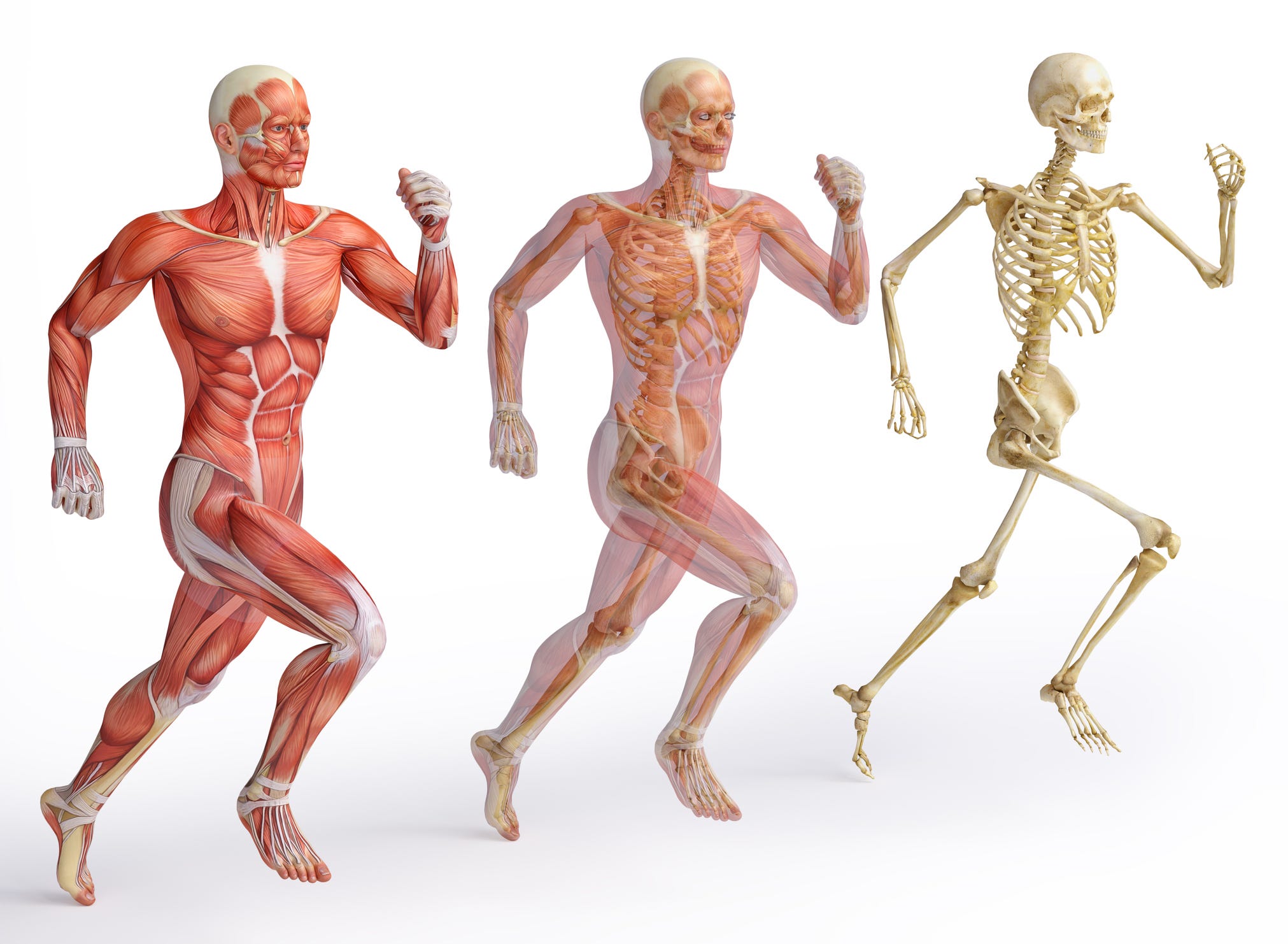
The Human Body is Designed to Move
First - we now have more than 2600 subscribers!!! Thank you for becoming a part of the Strength Training for Longevity family!
We all know that exercise is essential for optimizing health, extending longevity and, let’s face it, helping us to look more attractive to existing or potential mates. In other words, exercise is essential for a happy and fulfilling life.
We’re born knowing how to move - literally, our nervous system is programmed with the information that helps us learn how to walk during the first year of life. Here’s something to think about: 4-legged animals are born knowing how to walk almost instantly - their spines are horizontal to gravity with 4 points of contact to support them. On the other hand, us humans have only 2 points of contact with the ground and our spines need to remain stable against the constant pull of gravity to remain vertical so we can move.
In fact, if you think about it, the first year of our life is a strength and conditioning program so we can learn how to walk on our own. From extending our spines during tummy time, to rolling over, to learning how to crawl and then walk; our nervous systems are automatically programmed so we teach ourselves how to move from an early age.
But… we are not programmed with the knowledge of how to exercise. When it comes to designing exercise programs there are very specific principles, components and variables that guide how they should be created and applied.
My career has focused on educating personal trainers and fitness professionals, with this substack my mission is to now to educate the general population (you) on how to exercise to improve your health and extend your lifespan.
This is the first part of a series that ran when I first started the substack; now that we’re at almost 3,000 followers (for real - I’ve overwhelmed, THANK YOU SO MUCH FOR FOLLOWING, READING and SHARING, your support is very important to me), I’m running it again before the start of 2026 so that you can learn how to design your own workout programs for whatever goal you want to achieve.
The Components of a Workout
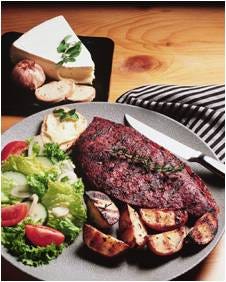
When cooking a meal, it is possible to throw a bunch of ingredients in a bowl, mix them up and then pop them in the oven, but unless you follow a systematic manner of how those ingredients are prepared and added to the dish, you may end up with an inedible mess.
The purpose of a recipe is to provide structure for how to organize ingredients to prepare a specific meal. Exercise is the exact same way!
If your strategy is just to do a few random exercises that you like or try to mimic an influencer’s workout without understanding how it’s actually affecting your body, then the desired results will be elusive. Just like how certain ingredients are prepared and the order in which they are added to a dish can result in a delicious meal, it’s knowing how and when to perform certain exercises that determines whether they have the desired effect on your body.
Recipes for workouts are called exercise programs. While the types of equipment or specific exercises might change, the overall structure of a workout should not. Every workout program includes three specific components: the warm-up, workout and cool-down.
The Warm-up
The purpose of low-intensity exercises are to elevate the heart rate, raise tissue temperature, and enhance overall activation of the central nervous system to prepare muscles for the more challenging exercises in the workout that create the desired changes in your body. For best results, a warm-up should consist of 3-6 bodyweight exercises that focus on balance, mobility and core strength.
An effective warm-up should take approximately 10-15 minutes and have you move in all planes of motion and start with stationary movements like balance exercises or isometric holds like planks before progressing to dynamic movements like squats or lunges.
An example of a warm-up circuit is below:
Single leg balance: 30 sec. each leg
High plank - hold for 20 to 40 seconds
Side plank - hold for 20 to 30 seconds on each side
Glute bridges - 12-15 repetitions
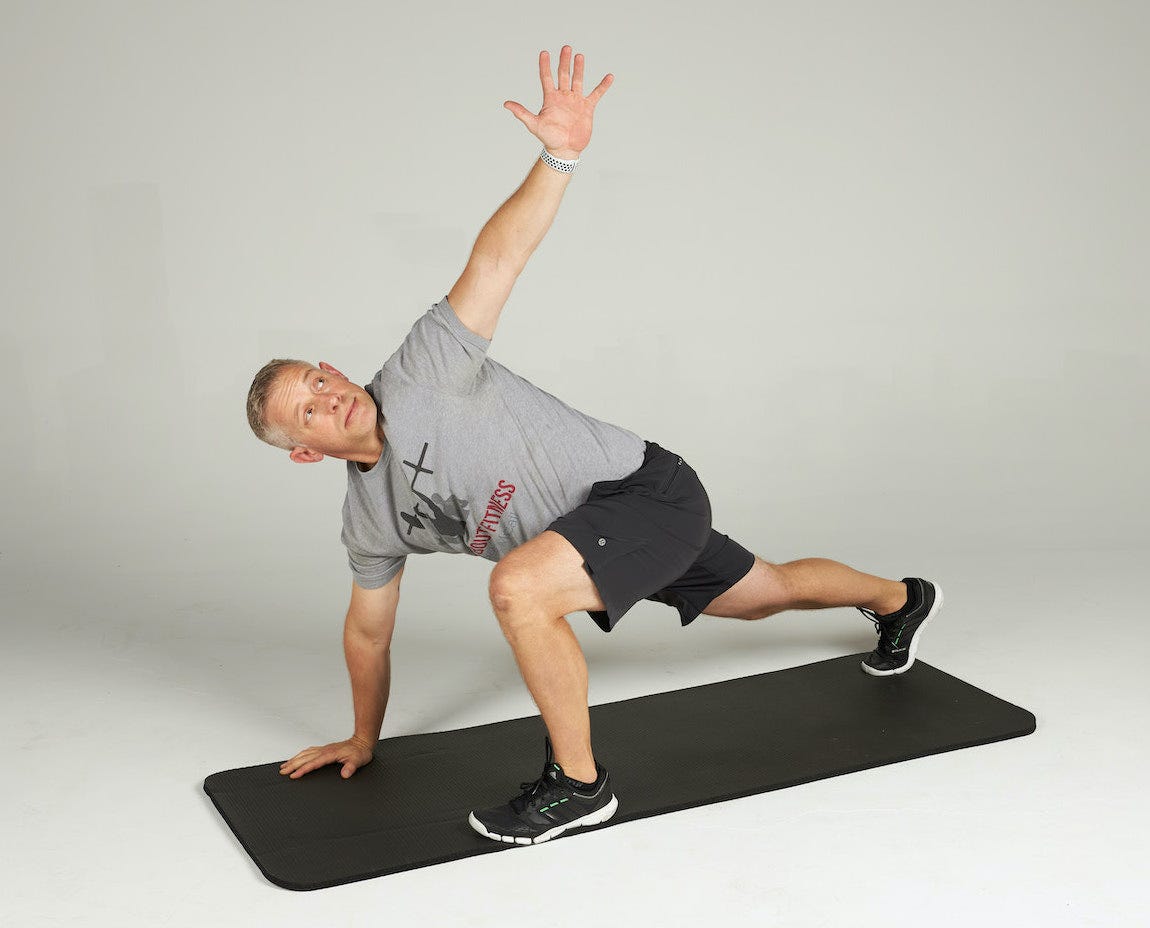
Lateral lunges with reaching for your opposite foot - when lunging to your right side, reach for your right foot with your left hand. - 8 to 12 on each side.
Jumping jacks - 12-15 repetitions
Perform as a circuit moving from one exercise to the next with minimal rest; rest for about 30 seconds at the end and complete 2 to 3 circuits. This simple little circuit may seem old school, but will have you ready to do hard work in 8 to 12 minutes.
On those days when your schedule gets absolutely jammed, this circuit can help you make time for a little activity and remember, when it comes to exercise: a little bit of something is better than a lot of nothing!
Here is a killer dynamic warm-up that can have you fired up for your next training session:
The Workout
This is the portion of the workout designed to place physical stress on your body in order to facilitate the desired changes. When training for longevity, the goals are to improve movement skill and coordination with mobility exercises, build muscle through strength training and strengthen the heart via metabolic conditioning; therefore, workouts should rotate between a focus on mobility, a focus on strength or a focus on metabolic conditioning.
Even though the focus of each workout might shift, it should contain the same variables: exercise selection, intensity, tempo (speed of movement), repetitions, rest interval, sets and frequency; each defined and explained in follow parts of this series.
There is no need to spend a long time doing the actual workout; in fact, there should be an inverse relationship between intensity and duration. Hard, intense workouts designed to stimulate strength or improve muscle power should be 40 minutes or less (not including the warm-up or cool-down); while lower-intensity workouts for mobility or endurance training can be longer.
The duration has to do with the availability of fuel for your muscles; intense workouts will deplete muscle glycogen rather quickly; if glycogen (how carbohydrate is stored in the muscle) is not immediately available, it could result in amino acids being used for fuel (if you ever have smelled ammonia in your sweat, it’s an indicator of amino acid metabolism because nitrogen is a component of both).
The exercises performed in this section should challenge you, but the good news is that you will feel a sense of accomplishment, and when performed on a consistent basis, should create the changes you seek.
Here is an example of a workout designed to improve total body strength and stimulate muscle growth by using a weight heavy enough to create fatigue by 10 reps:
Exercise Intensity Reps Rest Sets
Barbell deadlifts 10RM 10 45 sec. 3
Chin-ups Bodyweight to fatigue 45 sec. 3
Dumbbell chest press 10RM 10 45 sec. 3
Split-leg squats 10RM 10 45 sec. 3
dumbbell shoulder press 10RM 10 45 sec. 3
The Cool Down
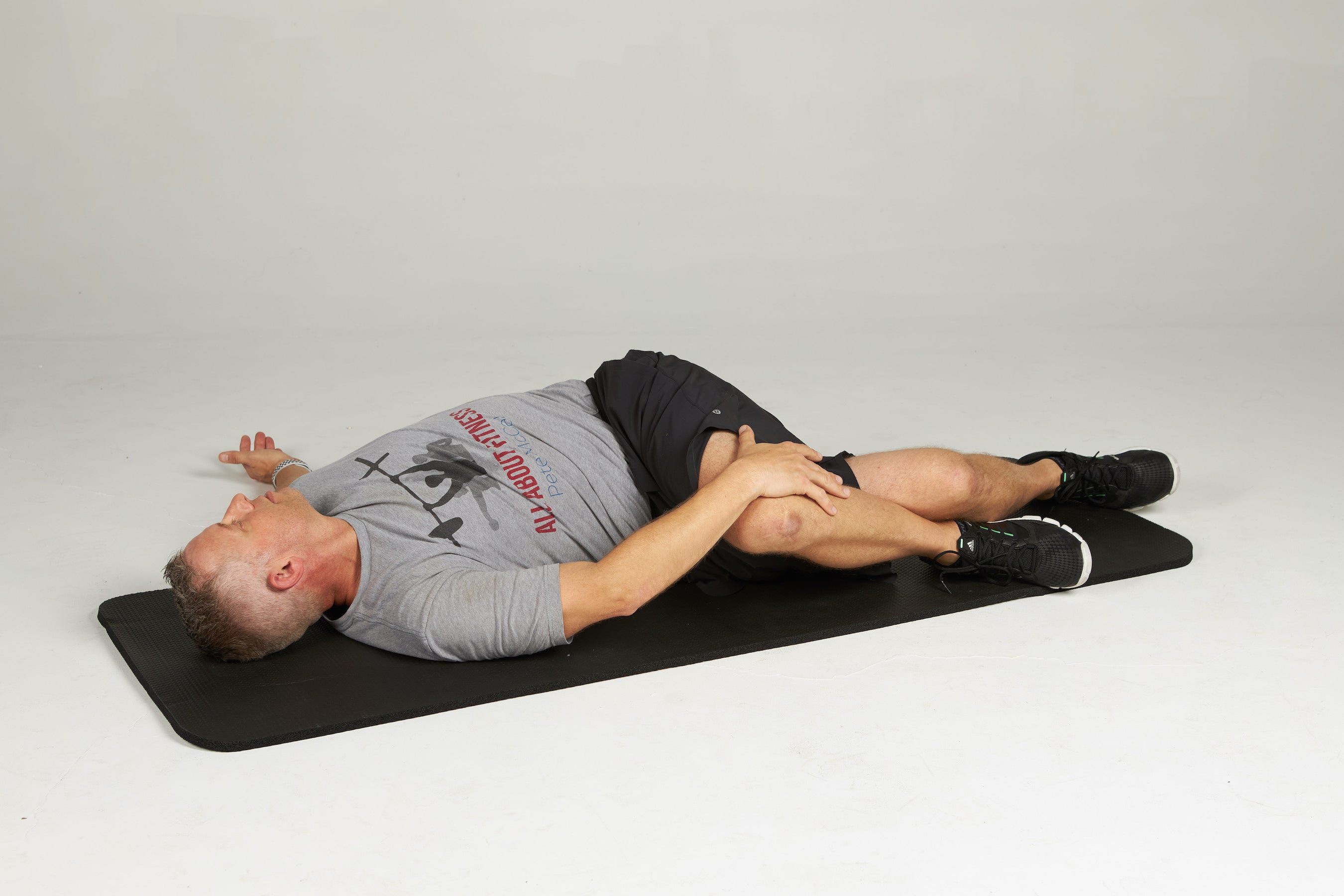
The purpose of the cool down is to allow the circulatory system to remove the metabolic by-product from your bloodstream. Not every workout requires a cool down; only those that leave you huffing and puffing or working to the point of fatigue really require a formal cool down.
The most effective cool downs should involve low-intensity movement like slow walking or static stretching for 5 minutes to allow your heart-rate to drop and your breathing to come back to normal. Seriously, one of the best cool downs is simply walking for a few minutes; that’s why I ALWAYS park far from the gym, I use the walk back to my car as the cool down.
Next Part
The next part in this series will address the principles of exercise program design. The principles guide how the body adapts to exercise and should be applied for EVERY workout, whether strength training, metabolic conditioning or mobility.
Thank you for reading!
To support the substack:
Subscribe (for free)
Being a paying supporter (only $8/month - like a magazine), or
Or, just keep reading, apply what you learn and share with your community - let’s make the world a healthier place together.