
How to Talk Longevity
With longevity being a popular topic, make sure you understand and use the correct terminology.


An Overload of Info
Podcasts. YouTube. Articles. Social media feeds. Substack. There are a variety of resources and an almost endless amount of information available on the subject of longevity. Most of these sources are saying very similar things about how exercise can influence the length of the human lifespan; however, you may hear or see a number of different terms used, but if you don’t hold a degree in exercise science, you may not know exactly what they’re referring to or how they apply to longevity.
The goal of this post is to identify a number of longevity-related exercise terms and define them, so that you a) know what they mean, and 2) can use them correctly when bragging to friends about how your longevity program is going to extend your lifespan!
Anabolic hormones
Hormones are chemicals that influence how all cells and tissues function in the body. Anabolic hormones include human growth hormone, testosterone and growth factors and are responsible for promoting muscle growth. Strength training and high-intensity interval training (HIIT) are powerful stimulants for anabolic hormones because your body will produce them to help repair the muscle tissues damaged during exercise.
Carbohydrate metabolism
The process of converting the carbohydrates in our diet into the fuel that powers all cellular activity in the body. Type II muscle fibers are responsible for converting carbohydrates into energy, the more type II fibers we have, or the larger they are, the more successful we are at metabolizing the food we eat into the energy that fuels our favorite activities. Strength training increases the amount of lean muscle mass which, in turn, improves carbohydrate metabolism - reducing the risk of developing age-related diabetes. Low-intensity exercise like walking or gentle yoga will not require carb metabolism, leaving individuals at risk of developing diabetes, even though they may be exercising regularly.
Creatine
Read my write-up about this supplement HERE.

HIIT (High-intensity Interval Training)
Intensity refers to how challenging a particular exercise is; low-intensity exercise, like walking, can improve health, but the data is showing that it is high-intensity exercise that can have the greatest influence on promoting longevity. HIIT combines periods of extremely hard exercise, 20 seconds to 4 minutes, with periods of rest to allow muscle cells to remove by-product (the ‘exhaust’ from muscle contractions) and produce new energy. Models of HIIT include: Tabata, 30-20-10 and 30:30. HIIT is also a powerful stimulus of anabolic, muscle-building hormones whereas low-intensity exercise is not. Intensity can be estimated with the scale of perceived exertion where 1 is the intensity required to sit on the couch and 10 is the intensity required to run a sprint at the fastest speed possible. Walking would be a 2-3 whereas doing a 30-second sprint interval on an indoor bike would be a 9-10. For optimal health during the aging process, we should be doing 1-3 HIIT workouts/week. Follow this link to understand the differences and benefits of both HIIT and Zone 2 - enjoy!
Mechanotransduction
A term that describes how mechanical force creates chemical change within the body. When mechanical forces, such as those from strength training or high-intensity exercise, are imposed upon the body, one response is the production of satellite cells that are used to repair the tissues damaged by those forces. High-intensity exercise is a stimulus for producing new cells in the body!
mTOR pathway
You may hear about this on various longevity podcasts and wonder what the heck it means; it’s deep exercise phys that describes the cellular process of protein repair. The mTOR (mechanistic Target of Rapamycin) pathway is a central cellular signaling network that integrates nutrients, growth factors, and stress signals to control cell growth, metabolism, proliferation, protein synthesis; essentially it is the system that regulates fundamental anabolic (growth) and catabolic (breakdown) processes. Dysregulation of mTOR is linked to diseases like cancer, diabetes, and neurodegeneration.
Muscle (as a metabolic organ)
One function of muscle is to metabolize (convert) nutrition substrates, specifically fat and carbohydrate, into energy. Type I muscle fibers will metabolize free fatty acids and oxygen into adenosine triphosphate (ATP) - the chemical that fuels ALL cellular activity. Type II muscle fibers convert carbohydrate into ATP, both with and without oxygen. Strength training and HIIT condition muscles to be more efficient at energy metabolism, resulting in more favorable health outcomes.
Muscle protein synthesis
The process of rebuilding damaged muscle tissue. Strength training will damage the actin-myosin protein filaments responsible for generating muscle force. MPS is the process by which those damaged proteins are repaired so they can become stronger and more resilient. This is the true benefit of strength training - it is the most powerful stimulus for growing new cells and tissues within the human body.
Peptides
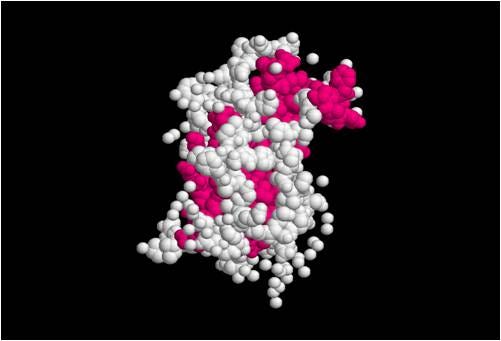
Peptides are hormones that function with receptors on a cell membrane. Strength training will cause muscle to produce a number of mechano-growth factors; which are peptide hormones responsible for supporting tissue repair and growth. Many peptides are being marketed as solutions for longevity, keep in mind that while these are naturally occurring substances, there could be significant risks with taking them exogenously (from sources outside the body). Check with the proper medical professional before considering taking peptides.
Periodization
Structuring a long-term exercise program into smaller periods of time, each period with a different level of training intensity and volume. The purpose of periodization is to gradually increase the intensity and complexity of the training stimulus while allowing for periods of rest which is where the real growth and adaptation takes place. Periodization allows you to structure a program based around rest and recovery - the real secret to long-term success. Read more about the power of periodization - HERE.
Protein
Read the write-up about protein HERE.

Progressive overload
One of the primary principles of exercise program design; it acknowledges that to stimulate the muscle protein synthesis responsible for muscle growth, the load, or intensity (weight), for strength training should be gradually increased (at approximately 5% every 2 weeks or so, but that’s a general guideline - the point is to challenge yourself to work harder so muscles grow). Besides simply adding more load, ways to increase intensity include: doing more reps, moving at a faster speed or having a shorter rest interval. Applying progressive overload is the most effective way to stimulate muscle growth. A properly periodized strength training program will have periods of higher intensity exercise to stimulate muscle growth along with periods of lower-intensity workouts to allow the body to rest, repair and adapt.
VO2 Max
VO2 = volume of oxygen consumption; your body burns about 5 calories of energy to use 1 liter of oxygen - the more muscles involved in an exercise, the higher the oxygen cost and the more calories received. Resting VO2 is approx 3.5 ml of oxygen per kilogram of bodyweight. VO2 max determines how efficient your body is at using oxygen to help convert fat and carbs to energy. One reason why muscle is considered the organ of longevity is that the more we have, the better our VO2 and the more efficient we are at using oxygen. VO2 can be improved with a combo of zone 2 steady state and HIIT.

Zone 2 cardio
Repetitive exercise done at an intensity that optimizes aerobic respiration - the process of converting fat (or carbohydrates) into ATP for energy. Zone 2 exercise is an intensity where you can speak in complete phrases or sentences, but you are breathing hard enough to make having a conversation challenging - this piece explains the benefits of steady state training.
Here’s the truth: age-predicted heart-rate zones are guesses and do not take into account an individual’s existing fitness level. Metabolic testing can identify the heart-rate where your body is most efficient at converting fat and/or carbohydrates into fuel. The Talk Test is an easy metabolic test that you can do yourself with a piece of cardio equipment, a heart-rate monitor and stopwatch. When I worked for ACE, we shot this video to help explain the Talk Test (wow - it makes the 00’s seems like ages ago).
There’s a little guide for how to talk longevity; did I miss anything? If there are any overlooked terms, please feel free to suggest them below.
Thank you for reading!
To support the Strength Training for Longevity substack:
Subscribe (for free)
Being a paying supporter (only $8/month - same as a magazine), or
Or, just keep reading, apply what you learn and share with your community - let’s make the world a healthier place together.