
Mobility for Longevity, Part 2
Mobility training can improve coordination and movement skill - essential for reducing the risk of injury from training; learn how to add it to your program

Mobility: The Foundation of Successful Movement
Part 1 introduced mobility: a combination of flexibility, strength, coordination and balance. Enhancing mobility improves your overall ability to move, making it easy to see why it should be the foundation of a strength training program for longevity. Here’s a little inside scoop: when division 1 college football players are getting ready to try out for the NFL, they go to a performance training facility. At that facility, the first thing the athletes do is to learn how to move better to improve their mobility and coordination. Seriously.
When a college athlete shows up to a performance training facility, the first series of workouts will focus on moving better before introducing strength training with external loads. Taking the time to learn to move better allows the athlete to train at a higher level of intensity with a lower risk of injury. When an athlete makes it to the professional level there is an almost obsessive focus on mobility because that it can reduce the risk of an injury - if the body can move well there is less chance of a muscle strain or overuse injury. And if it’s a strategy that helps athletes earn millions of dollars, then it’s one we should consider for our own fitness programs.
A Different Perspective on Mobility
When muscles become overly tight - they pull two bones closer together, restricting joint motion; a different way of thinking of mobility is: creating space in the joints. Reducing tissue tightness and restoring space to the joints allows for unrestricted movement all of the way through a joint’s structural range of motion.
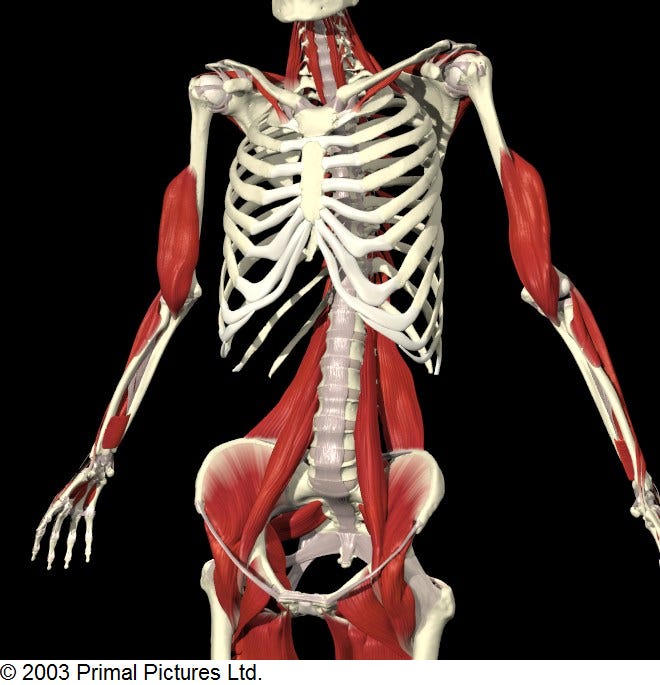
As we age, two primary physiological changes threaten our mobility: sarcopenia (muscle loss) and arthritis (joint inflammation). A loss of muscle mass can result in lower levels of strength to control joint motion. Joint inflammation can reduce space in the joints, restricting the ability to move completely through the structural range of motion. While strength training combats the former, mobility training mitigates the effects of the latter because it helps to maintain a joint’s structural range of motion.
The body is made to move; while we were babies we learned how to roll over, crawl and walk before we could talk. Our nervous system is pre-programmed to focus on movement, as babies we intrinsically learn how to perform complicated movement patterns before developing the ability to talk. The seemingly simple act of walking is in itself a complex pattern of movement that occurs in all three dimensions and involves all of our muscles and joints working as a complete system to create efficient movement. Mobility training requires the nervous system to activate the right muscle at the right time to produce a movement; on the other side of the joint, the muscles have to shut down to lengthen in order to allow that movement to occur.
The act of simply moving is a form of mobility training: as a joint goes through a range of motion, some muscles are shortening while others are lengthening - this is the benefit of mobility exercises, improving muscle firing rates for better coordination. Here are 4 important benefits of mobility training and why it should be a part of your program:
1. Preserving the “Functional Envelope”
The foundation of human longevity is our “healthspan,” the period of life spent in functional independence. Mobility training ensures your “functional envelope” remains large. By maintaining the ability to squat deeply, rotate your spine, and reach overhead, you ensure that the activities of daily living (ADLs) remain sub-maximal efforts.
2. Joint Health and Synovial Fluid
Articular cartilage does not have its own blood supply. It relies on “diffusion” for nutrients, which happens when a joint moves through its full range of motion. This “milking” action circulates synovial fluid, keeping the cartilage lubricated and healthy. In addition, as joints roll, spin and slide they engage the numerous sensory nerve endings that line the joint capsule. These nerve endings relay information on the amount of muscle force required and the rate of movement back to the brain. The more we move, the more we can improve our coordination and movement skill which could result in fewer injuries and a greatly reduced risk of falling.
3. The Joint-by-Joint Interplay
The body operates on a “joint-by-joint” approach. Certain joints require stability (like the lumbar spine), while others require mobility (like the hips and thoracic spine). When you lose mobility in your hips, your body will “steal” that movement from the nearest available source, usually the intervertebral segments of the lumbar spine (a major cause of low-back pain). Mobility training protects your “stable” joints by ensuring the “mobile” joints are doing their job.
The three segments of the body that allow the greatest mobility are the foot and ankle complex (actually a number of joints but will be organized into one structure for the purpose of this discussion), the hip, and the inter-vertebral segments of the thoracic spine (again, actually a number of separate joints (intervertebral segments of the facet joints) that function together as a single unit). The joints comprising these three segments of the body provide important mobility in all three planes of motion that is essential for optimal movement efficiency of the gait cycle.
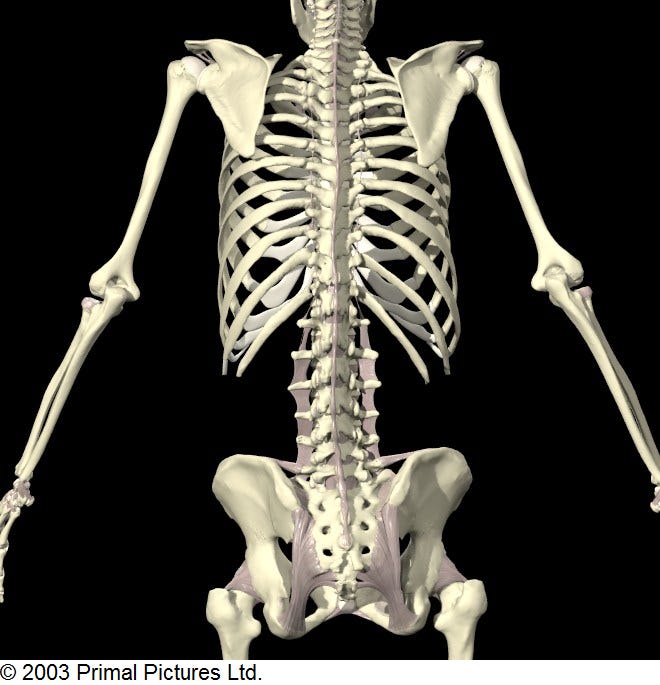
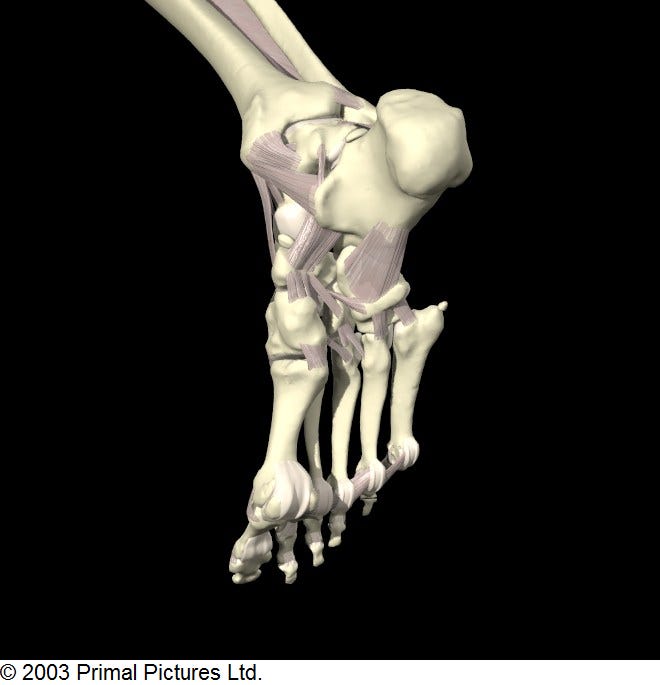
The loss of mobility at one of these joints, even the loss of mobility in a single plane of motion, can affect the structure and function of the entire body. If a joint loses mobility then it could affect joints above or below it greatly altering their ability to function.
The Prescription: How Often Should You Train?
If you’re not doing mobility or flexibility training regularly, it’s probably because you either don’t have the time or don’t know how to do the exercises in a way that will make a difference in your body. There are a variety of stretching techniques. The one you are most likely familiar with is static stretching: holding a stretch for 30 seconds or so causing the muscle to relax and lengthen. Static stretching can help reduce tension but it does so by reducing nervous system activity in the muscle fibers which is not necessarily the best thing to do prior to being active and is best saved for the end of a workout.
Effective mobility training, on the other hand, challenges the CNS by using movement patterns that integrate motion at both the upper and lower body segments together which improves contraction of the motor units while lengthening both the contractile component of muscle as well as the elastic connective tissues. The resulting exercises provide numerous benefits such as enhancing the ability of the CNS to activate muscles, increasing circulation to the working muscles, reducing tension in tight muscles and improving joint range-of-motion. Mobility exercises can provide low-to-moderate intensity workout solutions that can be used to improve movement skill or promote recovery the day after really hard exercise that leaves you sore.
If you have progressed beyond the age of 40, mobility should not be a “once-a-week” afterthought. It should be integrated into your daily movement habits; here are some recommendations for how:
Daily Maintenance (5–10 minutes): Every day should include some form of “joint circling” or controlled movement to check in with your nervous system. This can be done first thing in the morning before starting the day, or in the evening while watching your favorite streamer as you wind down. To keep my hips happy, I do hip circles while I’m brushing my teeth and do some movements to open my hips as I get dressed (of course it helps when I have a TRX and dedicated stretch area in my room - proper planning is essential for long-term health).
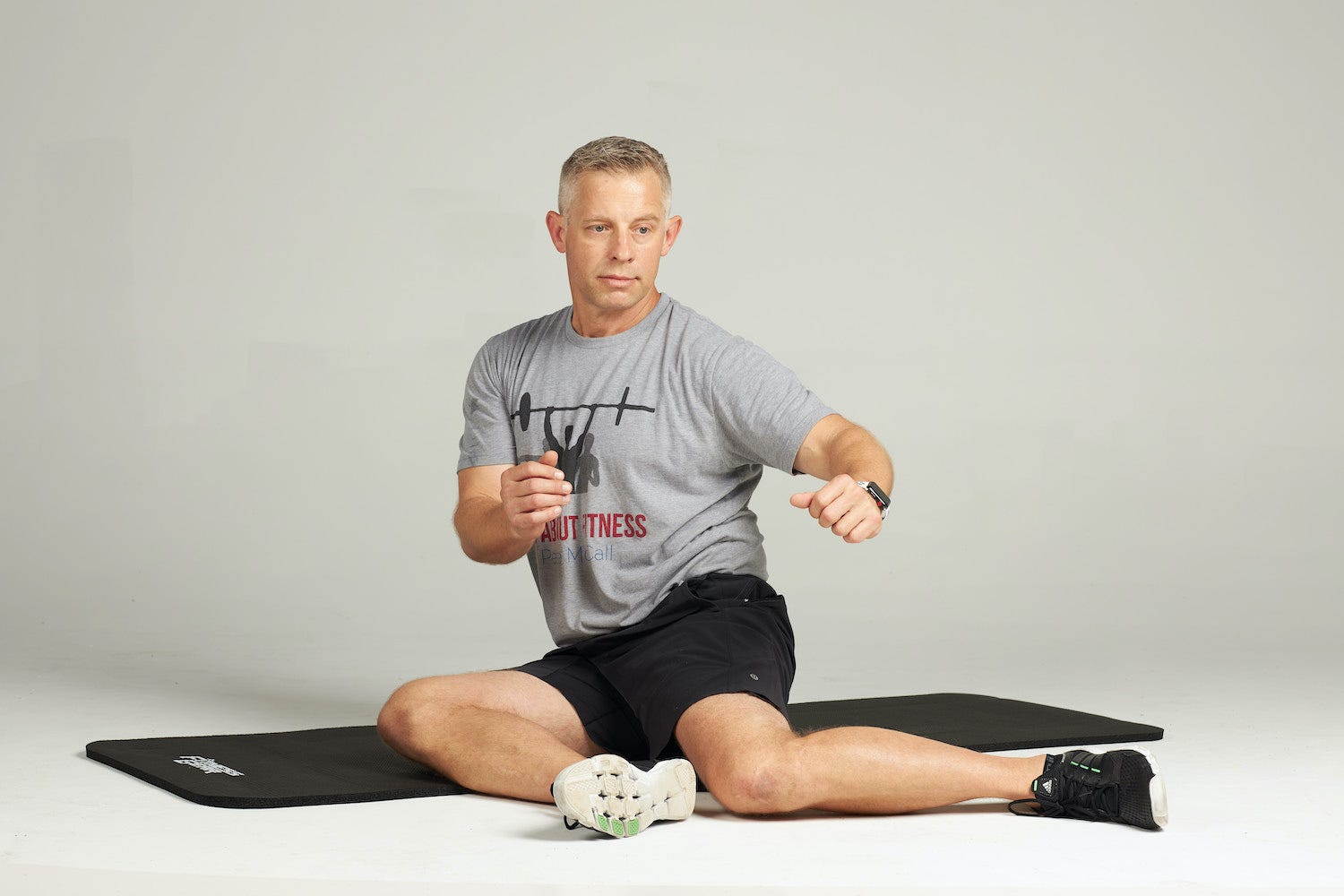
Dedicated Sessions (2–3 times per week): Aim for 20 to 30 minutes of dedicated mobility work. This can be a standalone session or used as a comprehensive “re-set” after a heavy lifting day. This is how I use my mobility exercises; I follow a three-day training split: day 1 - kettlebells and core training, day 2 - back and legs, day 3 - shoulders, chest and arms, day 4 - bodyweight mobility where the focus is on the hips and T-spine (see the link below for examples).
Integration: Use mobility drills as your “active recovery” between sets of strength training. This keeps the heart rate up while improving ROM under the stimulus of the workout. For example, I do transverse plane lunges to open up my hips when I’m doing heavy Romanian deadlifts; the movement opens up the joints and primes the glutes for generating force during the lift.
Sample Mobility Routine
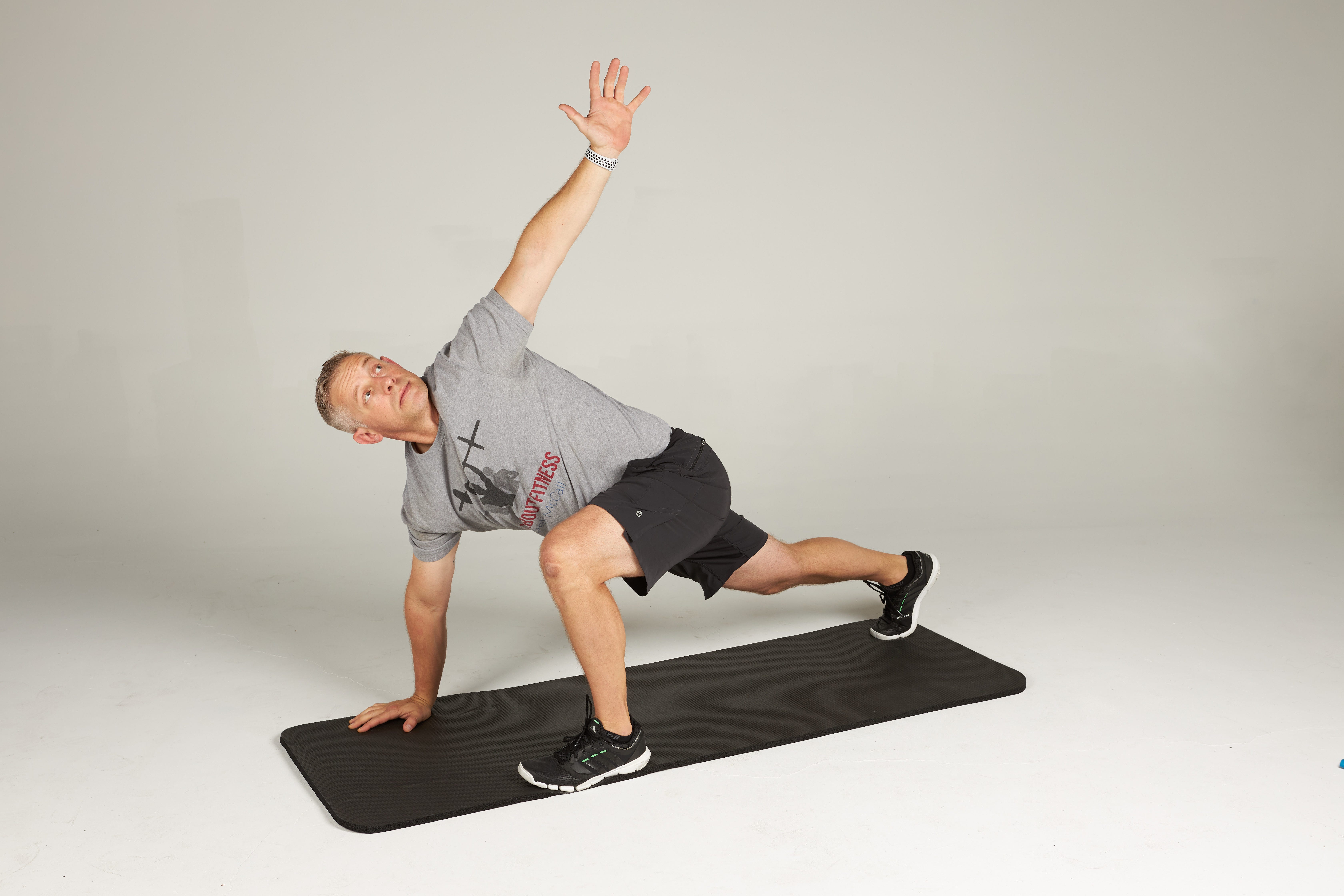
A few years ago I wrote an article on mobility training and shot this sequence to go with it; this is a great routine that can help keep your hips and thoracic spine VERY happy.
Final Thoughts
Training for longevity requires a shift in perspective. In your 20s, you train for the mirror. In your 40s and beyond, you train for the “future you.” Mobility training is the insurance policy that ensures your muscles have a functional chassis to pull on. Another way to think of it: Your future self will greatly appreciate the time your 2026-self spends on its mobility workouts.

Thank you for reading!
To support the Strength Training for Longevity substack:
Subscribe (for free)
Being a paying supporter (only $8/month - same as a magazine), or
Or, just keep reading, apply what you learn and share with your community - let’s make the world a healthier place together.
Such a helpful and informative piece. I enjoyed reading this, Pete.
Such a great piece- thank you!