
Steady-State or Interval Training?
To complete the series about metabolic conditioning; here is a comparison of the styles so you can understand which mode of exercise is best for your needs and when you should use it.

Steady State Vs. Interval Training - Let the Battle Begin

Which can be a more effective strategy for traveling from one place to another in the shortest period of time: Adding miles to your trip by driving the back streets of a city to avoid traffic jams, or taking the shortest, most direct route even if it means sitting on a crowded freeway so congested that you only move a few miles an hour?
To answer this question, consider the next question: Which approach burns more gas and places more wear and tear on your car: the frequent starting and stopping of city driving or driving on a highway at a constant, consistent rate of speed?
The answers to the above questions provide a rough analogy of how the human body responds to different types of cardiorespiratory exercise. High Intensity Interval Training (HIIT), which is similar to city driving, can be extremely effective for burning calories and improving aerobic capacity but at the expense of placing high levels of physical stress on the body. On the other hand, steady-state training (SST) focuses on maintaining a consistent, low-to-moderate-intensity work-rate for an extended period of time, comparable to driving on a highway. Like HIIT, SST can be effective for aerobic conditioning and burning calories but can require an extensive amount of time to do the volume of work necessary to achieve the desired results.
This leads to the question is one form of training better than the other? Like almost all answers to fitness related questions the first two words are: “that depends.” In the above car analogy both options can help you get to your destination which one you choose depends on your personal preferences of whether you like sitting in slow moving traffic or being in constant motion.
The lists below identify the features, advantages and disadvantages for both SST and HIIT. There is a plethora (score one for SAT prep) of research validating each mode as an effective form of exercise, only you can determine which one is best suited to help you reach your fitness goals in the shortest period of time.
Features
Steady-state training
Maintain a consistent speed, level of intensity and work rate during an exercise session.
The training intensity can be measured by maintaining a consistent work rate at a specific percentage of maximum heart rate (MHR), heart rate reserve (HRR) or aerobic capacity (VO2 max). Another option is using the rate of perceived exertion (RPE) which allows you to use a 1-10 scale to judge the level of difficulty (1 being easier and 10 the hardest).
Interval training
Alternate between periods of high intensity exercise and lower intensity rest or active recovery.
Both the higher intensity work intervals and lower intensity recovery periods can be measured as a percentage of MHR, HRR, VO2 Max or an individual’s RPE.

Advantages
Steady-state
Exercising below the ventilatory threshold for an extended period of time is less physical stress on the cardiorespiratory system and can be an effective method for high-volume training to prepare for an endurance event.
An established and proven method for improving cardiorespiratory fitness and enhancing aerobic capacity.
Increase mitochondrial density in type I (slow twitch) muscle fibers, which can improve aerobic metabolism and promote longevity.
Increase cardiac efficiency; specifically elevating stroke volume and cardiac output at a lower heart rate.
Enhance ability to use fat as a fuel source, reserving muscle glycogen (carbs) to be used for higher intensity exercise.
Steady state training to improve aerobic efficiency generates less metabolic waste and cellular damage than HIIT workouts.
Interval Training
HIIT can be effective for improving aerobic capacity and/or calorie burning in shorter period of training time when compared to high volume, steady state training.
The higher intensity work intervals of HIIT can be based on an individual’s RPE allowing that individual to start exercising at a relatively low intensity (as measured objectively) and progress from that initial starting point.
Interval training may be an effective strategy for individuals who become easily distracted or ‘bored’ during longer exercise sessions.
Can improve efficiency of type II muscle fibers to produce energy via anaerobic glycolysis resulting in greater metabolic efficiency.
On that note, metabolizing energy primarily from carbohydrates, both with and without oxygen; can improve overall metabolism, reduce the risk of developing many chronic diseases and extend your lifespan.
Exercising above the lactate threshold can help stimulate production of muscle-building, fat-burning hormones such as testosterone, growth hormone and insulin-like growth factor.
Increase the effect of EPOC (excess post exercise oxygen consumption) helping to burn calories after the exercise session is completed.
Disadvantages
Steady-state
If the goal is weight loss steady state training may require extended periods of training time to achieve the desired level of caloric expenditure.
Using steady state training to improve aerobic capacity may require lengthy exercise sessions which can be a challenge for a busy lifestyle.
Extended periods of exercise can increase the risk of repetitive stress injuries.
Certain individuals may find it difficult to maintain the focus necessary to train at a constant work-rate for an extended period of time.
Interval training
High-intensity exercise increases mechanical damage on muscle tissue which could create soreness and perception of exercise as “painful” in de-conditioned individuals.
Anaerobic metabolism results in an accumulation of metabolic stress limiting a muscle’s ability to function.
The high mechanical stresses of HIIT can increase the risk of injury from a muscle strain.
The higher exercise intensities required to improve aerobic conditioning with HIIT may be uncomfortable or painful for certain individuals.
An extended period of HIIT could deplete glycogen stores resulting in gluconeogenesis - the metabolic process of converting protein to produce glycogen; this limits the amount of protein available to repair muscle tissue damaged by exercise.

5 times when HIIT might be the best workout for your needs.
You have a busy schedule which limits your training time; HIIT workouts can be done in 20 minutes or less making them extremely effective for producing results in a limited amount of time.
You have been following the same cardio workout routine for a long time and have become stuck at a plateau, adding HIIT workouts could jumpstart your program so you continue experiencing results.
You want to train for a mud run or obstacle course race. These events feature physical challenges requiring anaerobic strength; HIIT can help you prepare to meet the demands of overcoming an obstacle while improving aerobic efficiency so you have the energy to finish the race.
You are exercising for weight loss. HIIT can help you burn more calories in a shorter period of time along with providing an EPOC effect to help you continue expending energy even after the workout is over.
Because you like it. The best exercise in the world is… the one you enjoy and will do on a regular basis. If HIIT works for you, go for it and have fun but make sure you allow time for appropriate recovery because that’s where the real results happen.
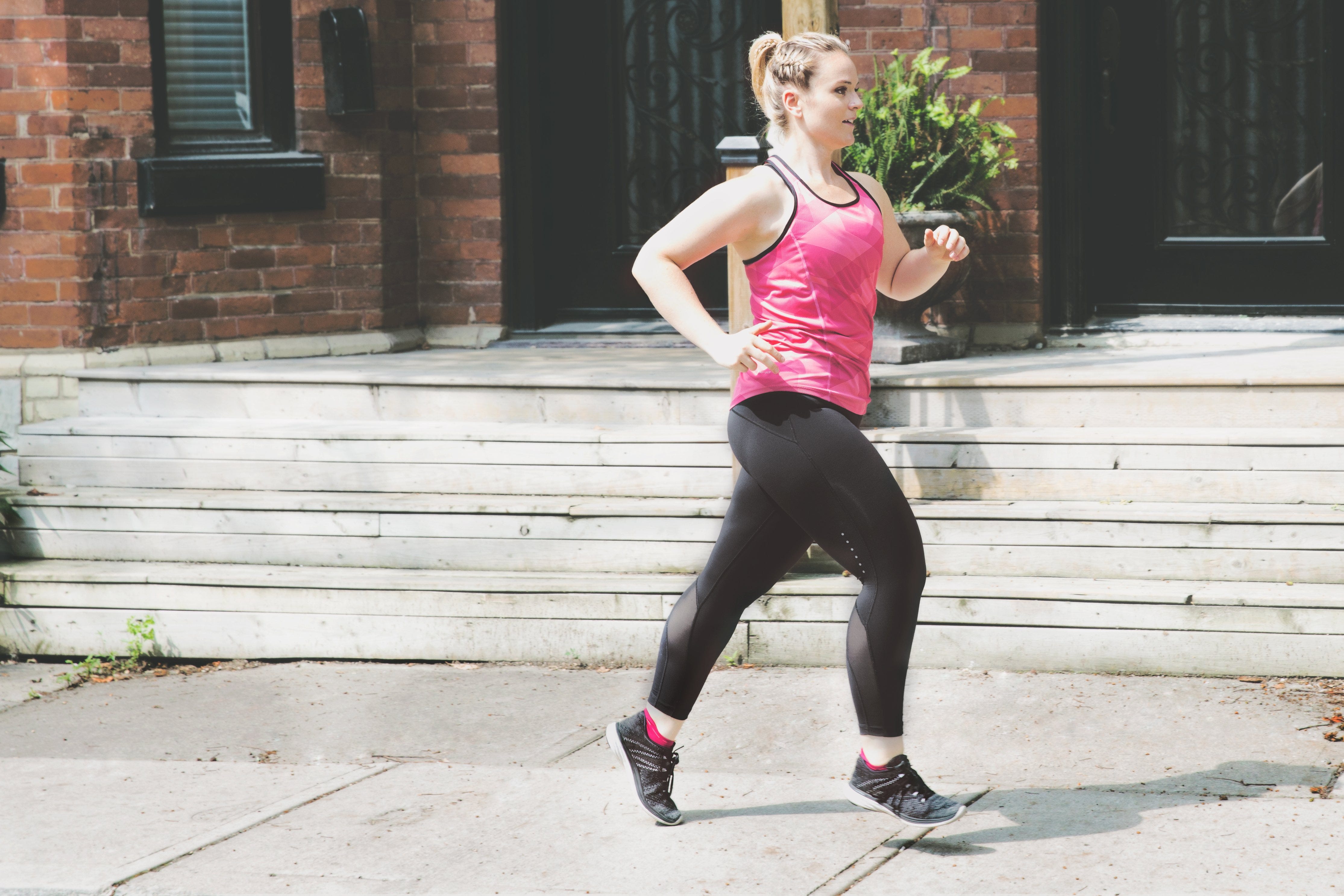
5 times when Steady State Training might be the best workout for your needs.
You experience a period of high stress or find yourself wallowing in a grumpy mood, steady-state workouts place lower levels of physiological stress could help you to clear your mind and change your mood.
You want to enter a race like a 10K, half marathon or marathon. According to the principle of specificity the best way to train for an activity is to do the activity. If you want to complete a endurance race you will need to plan on making time for long distance, steady state training.
You are visiting a city you have never been to before or have recently moved. A long, steady state run, bike ride or walk can be a great way to get out and explore an area you have recently moved to or are visiting for the first time.
You are exercising for the health benefits. Regular, low-to-moderate intensity steady state exercise can provide a number of health benefits helping to reduce the risk of developing a chronic disease like onset diabetes, high blood pressure or high cholesterol.
Because you like it. Some people simply enjoy going out for long runs or training for long distance endurance events, if this is you there is no reason to change your workout habits as long as they provide you with the benefits you are looking for, enjoy!
So which form of exercise is best-suited to meet your needs? Only you can answer the question. The most important thing for exercise to be effective is that you find a type of exercise that you enjoy, fits within your existing lifestyle and meets your fitness needs. But here’s the conundrum (ROCKING the SAT words today!) no matter whether you choose SST or HIIT if you really want to keep seeing results it’s important that you change your workout on a regular basis to keep your body from becoming complacent which could result in returning back to where you started: stuck on a plateau not achieving any results from your exercise program.