
Strengthen Your Brain, with Strength Training
BDNF is an important protein that supports optimal brain health and strength training is one of the most effective ways to produce it.

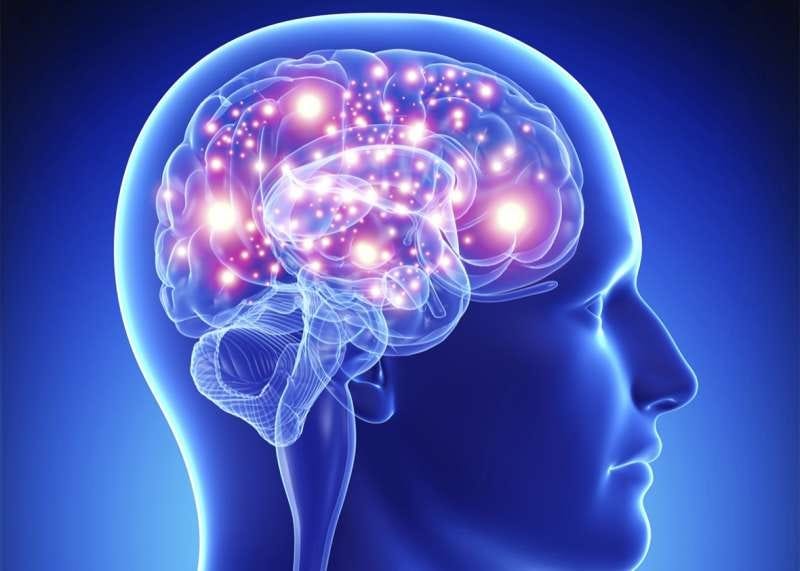
Senior Moments
How many of you can relate? Walk into a room to grab something and forget what that’s supposed to be, or, and this is super annoying, hopping online and completely forgetting what you had wanted to look up. Yes, these little memory lapses seem to happen more frequently as time passes, but the good news is that your strength training program could be what reduces the frequency of these so-called, ‘senior moments.’
In the longevity space there is a lot of emphasis on strength training for preventing age-related muscle loss (sarcopenia), but the fact that strength training can enhance cognitive function is often overlooked. Dr. John Ratey’s book, Spark: The Revolutionary New Science of Exercise and the Brain, describes brain-derived neurotrophic factor (BDNF) as ‘Miracle Gro’ for the brain because of its role in promoting the growth of new brain cells. Want some killer news? Strength training happens to be one of the most effective ways to increase BDNF production in our bodies.
There’s a very cool feature of our brain, it has its own built-in repair system and this is where BDNF works to support optimal cognitive function. In this part of the physiology of longevity series we are taking a look at BDNF, what it does and how we can use exercise to produce more of it.
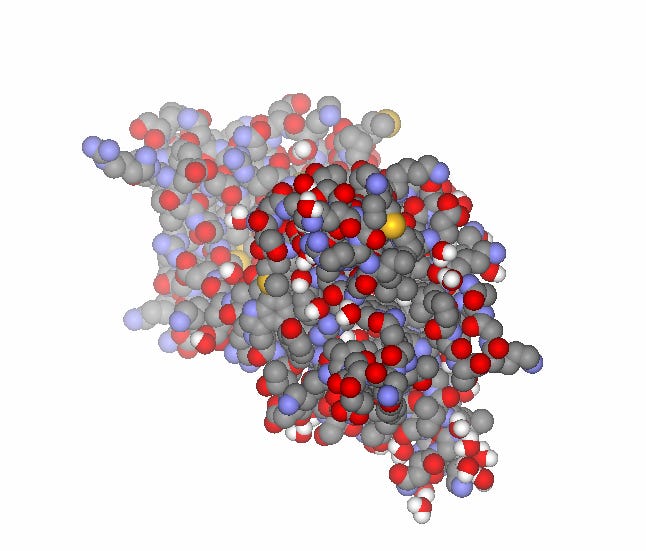
What is BDNF and Why Does it Matter?
BDNF is a protein and a member of the “neurotrophin” family of growth factors. Think of it as a fertilizer for your brain cells; it plays a critical role in the survival of existing neurons and promotes neurogenesis - the growth of new neurons and strengthening connections between neurons.
BDNF is most active in the hippocampus, the area of the brain responsible for long-term memory, learning, and emotional regulation. As we age, BDNF levels naturally begin to dip. This decline is associated with age-related cognitive impairment and, in more severe cases, the onset of neurodegenerative diseases like Alzheimer’s. Unfortunately, the hippocampus tends to shrink as we age, which is a primary driver of cognitive decline. BDNF is the primary biological defense against this shrinkage. By stimulating BDNF, you aren’t just remembering why you logged on; you are literally rewiring your brain to be more adaptable, faster at processing information, and more resistant to stress.
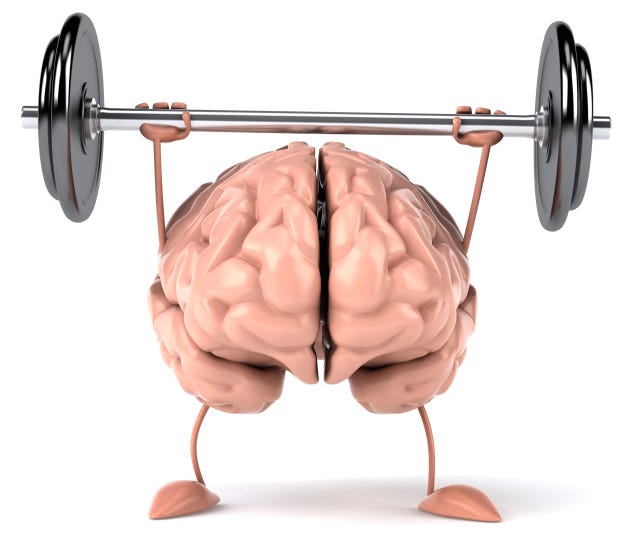
The Muscle-Brain Axis: How Lifting Builds a Better Brain
We used to think the brain and body functioned as separate, discrete entities. We now know better, specifically that they are in constant conversation via the ‘muscle-brain axis.’ In addition, scientists have observed that the muscle-brain axis functions as a high-speed communication highway. When your muscles contract, they release ‘myokines,’ signaling molecules that travel through the bloodstream, cross the blood-brain barrier, and trigger the production of BDNF.
Three key players link your strength workout to your cognitive health:
Lactate: When you train with high intensity and feel “the burn,” your muscles produce lactate. This isn’t a waste product; it’s a fuel. Lactate crosses the blood-brain barrier and triggers the production of BDNF in the hippocampus.
Irisin: This “exercise hormone” is released during muscle contraction. It travels to the brain and turns on the genes responsible for BDNF production.
IGF-1: Resistance training spikes Insulin-like Growth Factor 1, which works synergistically with BDNF to improve the “plumbing” of your brain, enhancing blood flow and nutrient delivery.
While almost any movement is better than none, certain modes of exercise act as a cheat code for your brain health.
1. High-Intensity Aerobic Exercise
For years, steady-state cardio was the gold standard for BDNF. Research shows that vigorous aerobic activity (reaching roughly 70–80% of your max heart rate) creates a significant “spike” in circulating BDNF. This is largely due to the release of a protein called FNDC5, which is converted into Irisin. Irisin travels to the brain and tells the hippocampus to start the BDNF assembly line.
2. Coordination and Skill-Based Movement
Learning a new complex movement, like a Turkish Get-Up, a new yoga flow, or even a sport like pickleball, requires “cognitive demand.” Combining physical exertion with mental focus provides a synergistic effect on neuroplasticity.
The Power of the Pump: How Strength Training Stimulates BDNF
For those of you who love strength training, the good news is that your sessions in the squat rack are doing more than just building quads. While aerobic exercise provides an immediate spike in BDNF, strength training offers a unique, long-term neuroprotective effect.
The Lactate Connection
When you perform strength training to a point of fatigue, your muscles produce lactate (think of it as exhaust from the energy used for muscle contractions). Because it is produced as the result of metabolizing glycogen (carbohydrates) into energy for muscle contractions, lactate has long been considered a waste product. The cool thing about science is that the more something is studied, the more we learn about it. For example, what was once thought of as a benign ‘waste product,’ lactate is now recognized as a vital fuel source and signaling molecule. Lactate can cross the blood-brain barrier and stimulate the expression of BDNF by activating specific signaling pathways (like the SIRT1 pathway) in the brain.
The Growth Factor Cascade
Strength training also increases levels of Insulin-like Growth Factor 1 (IGF-1), an important peptide hormone that promotes muscle growth (as a function of repairing fibers and other tissues damaged by muscle contractions). IGF-1 works in tandem with BDNF to improve vascular health in the brain and support the survival of new neurons. Essentially, strength training builds the “plumbing” (blood flow) that allows the “fertilizer” (BDNF) to work effectively.
Optimizing Your Protocol for Brain Health
If you are interested in using exercise to maximize your cognitive performance, your program should be a strategic blend of intensity and resistance.
Prioritize Compound Lifts: Movements like deadlifts, squats, and presses involve more muscle mass, which leads to higher lactate production and a greater systemic signaling response.
Embrace the “Burn”: To trigger the lactate-BDNF pathway, you need to occasionally train with higher repetitions (12–15) or shorter rest periods to create metabolic stress.
Intermittent Sprints: Consider adding 10-15 minutes of “finisher” intervals at the end of your lift. This combines the strength-based IGF-1 response with the aerobic Irisin-BDNF response.
Sleep and Recovery: BDNF levels are significantly influenced by sleep quality. Chronic sleep deprivation “mutes” the BDNF response to exercise, so ensure you are getting 7–9 hours of quality rest.
BDNF-Boosting Workouts: Intensity is Key
To maximize BDNF, “just showing up” isn’t enough. The research suggests that the intensity of the effort is the primary driver of the neurotrophic response; the goal is to create enough metabolic stress to flood the system with lactate and myokines.
Here are two science-backed protocols for your next training session:
1. The “Lactate Threshold” Circuit
This protocol focuses on Metabolic Stress. By keeping rest periods short and repetitions moderate-to-high, you maximize the lactate signal to the brain.
Exercises: Squats, Push-Ups, Dumbbell Rows, Kettlebell Swings.
Protocol: Perform 12–15 reps of each exercise back-to-back with no rest.
Rest: 60 seconds at the end of the circuit.
Rounds: 4 total.
Why it works: The constant tension and short rest periods maximize the production of lactate and Irisin.
2. High-Intensity Interval Resistance (HIIRT)
This focuses on Mechanical Tension and systemic demand.
Movements: Large, compound movements: Deadlifts, Barbell Squats, or Overhead Presses.
Protocol: Use a weight that is roughly 75–80% of your maximum. Perform 6–8 reps, focusing on an explosive upward phase.
Finish with a “Burn”: After your heavy sets, finish the workout with one high-rep set (20+ reps) of a leg press or rowing machine to ensure a systemic “metabolic spike.”
Confession

In my teens (in the 80s) I raced BMX bikes; over the course of a 5 year career careening around dirt tracks I had 2-3 crashes where I sustained bad concussions (one where I woke up in an ambulance). As a 20 and 30-something, I played men’s club rugby at the highest level of competition where I experienced about 6 really hard concussions (it was the 90s, if a bone wasn’t sticking out of the skin, you stayed in the match) including one where I woke up in an ambulance. All of that to say, my gray matter has taken a beating and I can honestly say now that I’m in my 50s, I feel it. That is the primary reason why I exercise so much, understanding the research connecting strength training and high intensity exercise to brain health, I know the fitter I stay, the better it is for my brain.
This doesn’t mean ‘do the same thing as me,’ instead, I am using it as an example of how to apply the science; if the evidence is showing that hard exercise is good for the brain, as someone who has beat the heck out of theirs, I am going to apply the science. It’s hard to imagine the brain fog I would experience if I weren’t working out. If anyone reading this has experienced any concussions, hard exercise has helped my brain, it could do the same for yours.
Conclusion
We’ve all felt brain fog after a poor night’s sleep or the frustration of a misplaced name. While we often chalk this up to just getting older, the reality is that our brain, much like our muscles, is subject to the use it or lose it rule. The most powerful tool we have to fight this decline isn’t a crossword puzzle or a “brain game” app, it’s picking up something heavy and repping to a point of mild fatigue to promote BDNF production. Take it from someone who knows, strength training has helped my cognitive health tremendously.
If you’re a regular reader of Strength Training for Longevity, you already know that muscle is essential for your metabolic system and overall health: it protects your joints, regulates your blood sugar, supports production of the hormones that promote muscle growth and keeps your heart pumping. Now you know another important role for muscle: supporting cognitive health through strength training. Exercise is the most effective, non-pharmacological tool we have for maintaining a sharp mind into our 60s, 70s, and beyond. By understanding the role of BDNF, you can approach your training not just as a way to maintain your body, but as a mandatory maintenance program for your most important asset: your brain.
The next time you grip a bar you can be confident that in addition to your muscles, you’ll be strengthening your brain!
Thank you for reading!
To support the Strength Training for Longevity substack:
Subscribe (for free)
Become a paying supporter (only $8/month - same as a magazine), or
Or, just keep reading, apply what you learn and share with your community - let’s make the world a healthier place together!