
Swinging into Longevity: What to Know about the Benefits of the Kettlebell
In this post, we’ll explore the history of the kettlebell, learn the specific benefits of using kettlebells and explain how they can help you achieve health and longevity benefits.

Old is New Again
Even though they have been used for exercise for hundreds of years, the first time I saw a kettlebell was in a magazine for fitness professionals back around 2002 or so. The first kettlebell workshop I took was in the winter of 2003, it ended with me taking the Acela from NYC back home to DC while carrying a kettlebell. Keep in mind this was 2 years post 9/11, people kept asking why I was carrying what looked like a cannonball. Back in ‘03-’04 there was only 1 distributor in the US that sold kettlebells (Dragon Door), and it cost just as much to ship them as to buy them.
If in ‘03 you would have told me that by 2010 kettlebells would be sold by every major big box sporting goods store, I would’ve thought you were nuts. This is one time I’m glad to be wrong, because, as a tool for training for longevity, kettlebells ROCK!
Want a killer home gym? Get 2 kettlebells, 1 heavy for swings and lower body movements, the other a little lighter for overhead work. From mobility to strength to power, kettlebells deliver a number of fitness solutions.
In a world filled with high-tech fitness gadgets and ever-changing trends, some tools stand the test of time for a simple reason: they work. The kettlebell, with its distinctive handle and mostly-round body, is one such tool. For those of us over 40, seeking to build strength, improve functional fitness, and invest in a long and healthy life, the kettlebell offers a unique and highly effective approach to training.
History of the Kettlebell
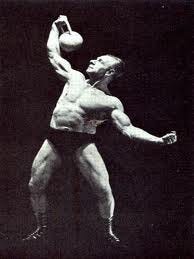
The history of the kettlebell, or girya as it's known in its native Russia, is a testament to its enduring utility. While weighted implements were used by ancient Greek wrestlers, the modern kettlebell's story begins in 18th-century Russia, where it was originally a counterweight for weighing crops. At the time, it was used as a counterweight in markets to measure crops like grain. During their downtime, merchants would swing or toss the heavy weights to demonstrate strength during festivals, and over time, kettlebells became associated with physical prowess and entertainment.
By the late 18th and 19th centuries, kettlebells had evolved from a tool of trade to a symbol of strength in Russian culture. Strongmen and circus performers discovered its potential for physical training; strongmen traveling with a circus used them in feats of power, while the Russian military adopted kettlebells for conditioning drills. By the late 19th century, kettlebell lifting had become a popular sport and a core component of Russian physical education. The kettlebell's introduction to the West in the late 20th and early 21st centuries, largely due to the work of pioneers like Pavel Tsatsouline, cemented its place as a powerful tool in the modern fitness landscape.
The kettlebell's unique design and the exercises it facilitates offer a distinct set of advantages for both strength and power training, making it an ideal choice for the educated fitness consumer over 40.
Specific Benefits of Kettlebell Training:
Unleashing Explosive Power
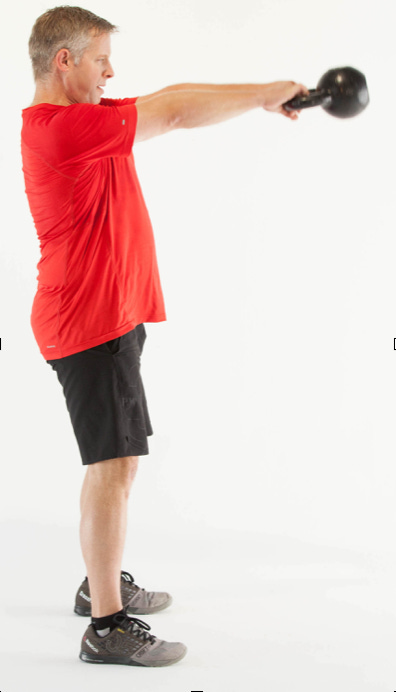
The kettlebell is unmatched for developing power through ballistic movements like swings, snatches, and cleans. These exercises require a forceful, explosive hip hinge, which activates the posterior chain muscles of the glutes, hamstrings, adductors and spinal erectors, translating into real-world power for activities like jumping, sprinting, or even just getting up from a low chair. For the over-40 demographic, these high-intensity moves are critical for activating the type II muscles fibers responsible for strength, power, glucose metabolism AND definition. Explosive power training is critical for optimal muscle function during the aging process
Building Dynamic Strength
Unlike a barbell or dumbbell, the kettlebell's center of gravity is offset from the handle. This forces the body to constantly engage stabilizing muscles to control the weight during movements. Exercises like Turkish get-ups, windmills, and overhead carries build not only raw strength but also core stability, balance, and coordination, foundational elements of functional fitness that often decline with age.
Plus, most of the kettlebell moves are done with one arm at a time, this requires the deep muscles of the core to work much harder to maintain balance and equilibrium in the body.
Enhancing Grip Strength
The thick handle of the kettlebell challenges your grip in a way few other tools can. A strong grip is a reliable indicator of overall health and is crucial for everything from carrying groceries to opening jars. Kettlebell training naturally and effectively strengthens the hands, wrists, and forearms, a benefit that directly contributes to longevity. From opening jars to shaking hands, grip strength is essential as we age; the loss of grip strength is the first step on the road to frailty, DO NOT let that happen, keep your hands and grip strong by using kettlebells.
Metabolic Conditioning and Cardiovascular Health
Kettlebell workouts, particularly those centered on swings and snatches, can rapidly elevate the heart rate and challenge the cardiovascular system. The ability to seamlessly transition from strength-focused lifts to high-rep, power-endurance work makes kettlebell training a highly efficient way to improve both muscular and cardiovascular fitness simultaneously. This is a significant advantage for those with limited time who want to maximize their workout's health benefits.
Health Benefits of Strength Training and the Kettlebell's Role:
The overarching health benefits of strength training are well-documented, and the kettlebell is a superb vehicle for achieving them, particularly as we age.
Combating Age-Related Muscle Loss (Sarcopenia)
Maintaining muscle mass is paramount for metabolic health and functional independence. Kettlebell training, with its focus on compound, full-body movements, provides a powerful stimulus for muscle protein synthesis, helping to preserve and build lean tissue, which in turn boosts metabolism and aids in weight management.
Improving Bone Density
Like all forms of resistance training, kettlebell workouts place stress on the skeletal system, which stimulates the body to build stronger, denser bones. The ballistic nature of kettlebell exercises provides a unique "loading" stimulus that is highly effective in combating age-related bone loss (osteopenia and osteoporosis), a critical health concern for many over 40.
Enhancing Joint and Connective Tissue Health
The dynamic and fluid nature of kettlebell movements can improve joint mobility and strengthen the surrounding ligaments and tendons. When performed with proper form, exercises like the kettlebell swing can reinforce the hips, knees, and shoulders, making them more resilient and less prone to injury.
Mental and Cognitive Health
Beyond the physical, the demands of kettlebell training, which require focus, coordination, and proprioceptive awareness, can have positive effects on cognitive function. The challenge and satisfaction of mastering new movements and seeing tangible progress can also be a significant boost to mental health and confidence.
The kettlebell is more than just a weight; it's a tool for comprehensive, functional fitness that addresses specific strength and power needs, especially if you’re over the age of 40. Adding kettlebell training into your programming will help you develop strength, build resilience, improve mobility and invest in a vibrant, independent future.
Like the other tools, I will do a kettlebell specific phase at least once a year, for 8-12 weeks, to work on power and unilateral strength. My go-to kettlebell exercises include:
RDLs or hip hinges
Swings
Goblet squats
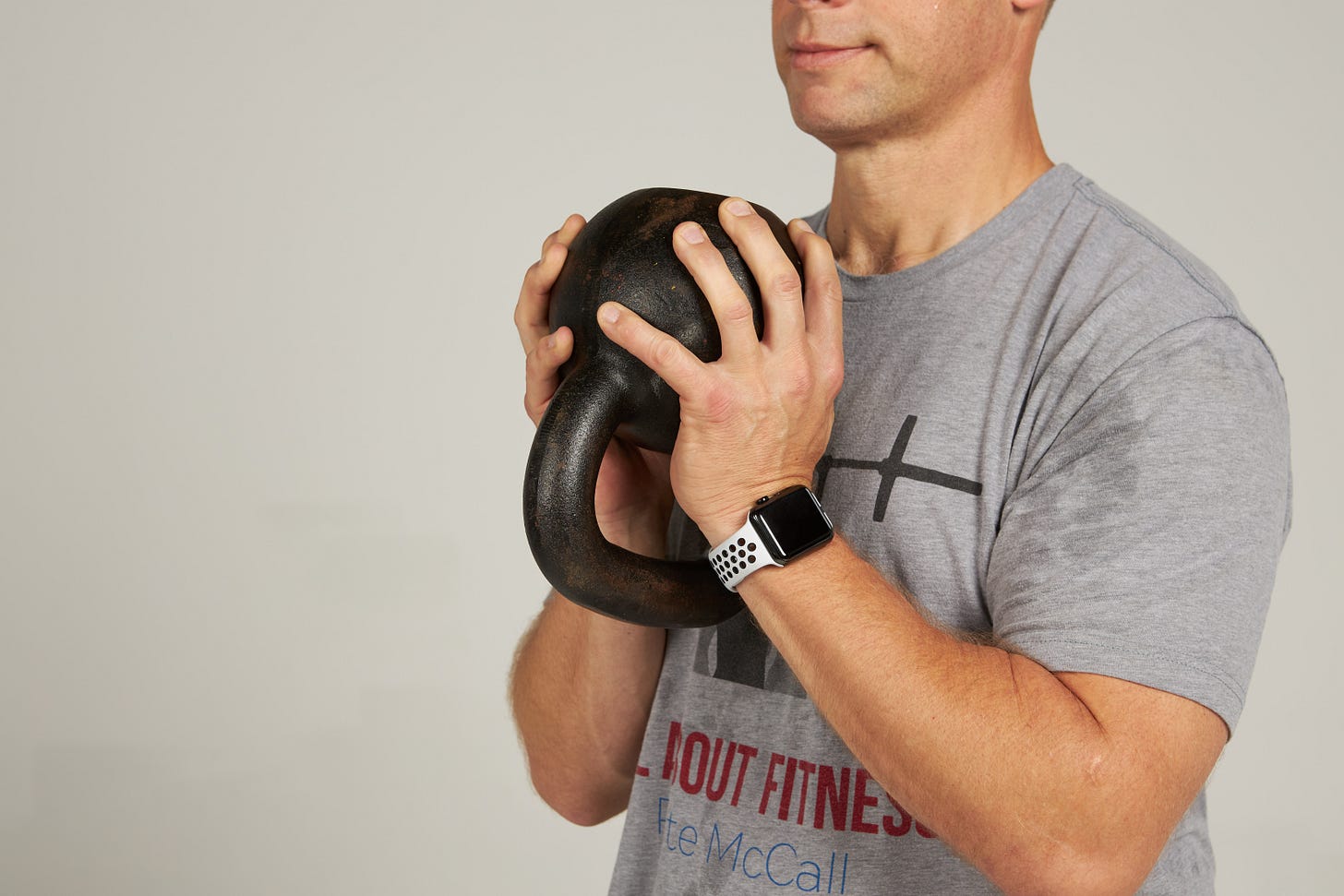
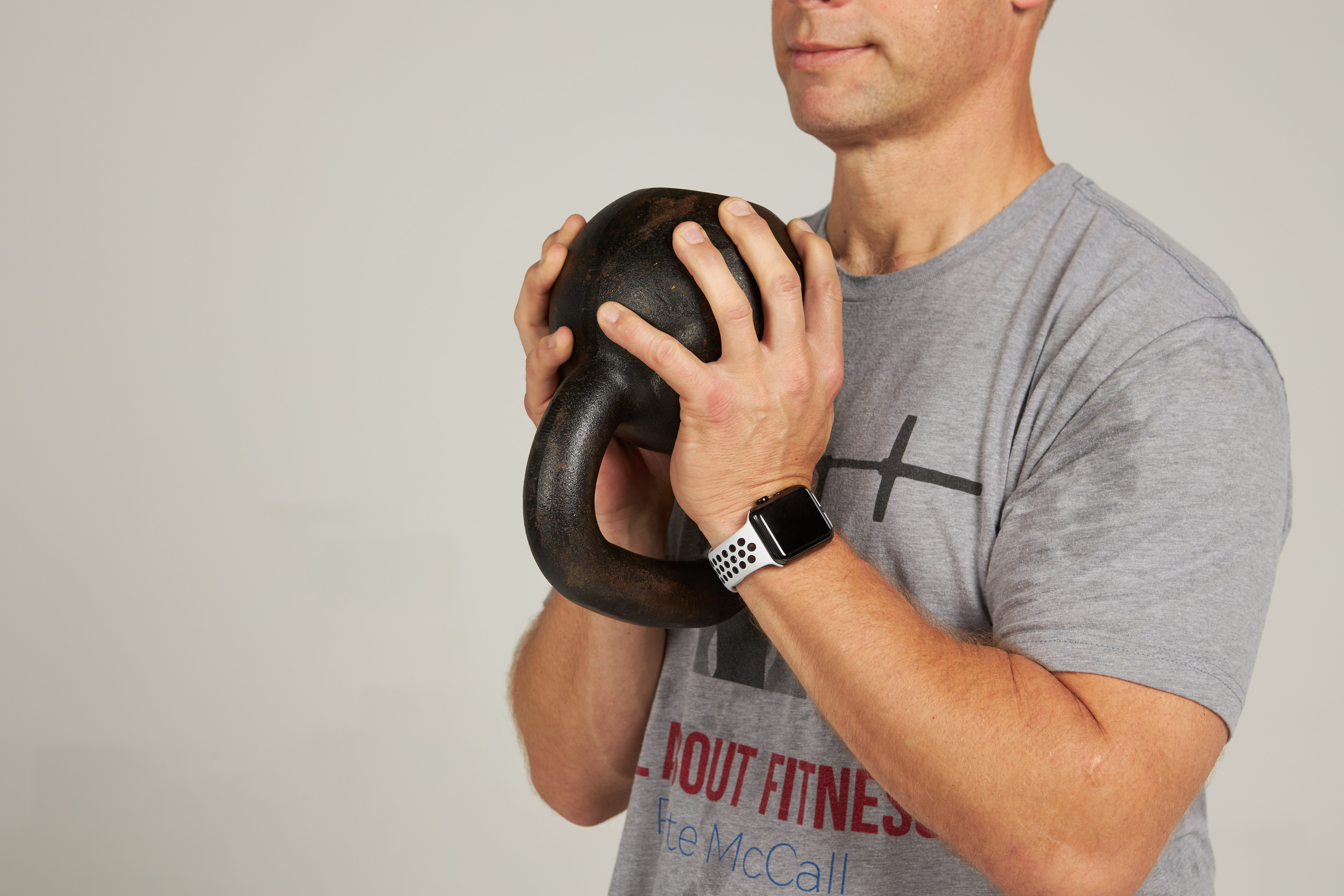
Holding a kettlebell like this for a goblet squat allows for greater range-of-motion from the hips. 1-arm rows
1-arm overhead press
Swing snatch
2-arm push press
Windmill
Turkish get-up
Overhead carry
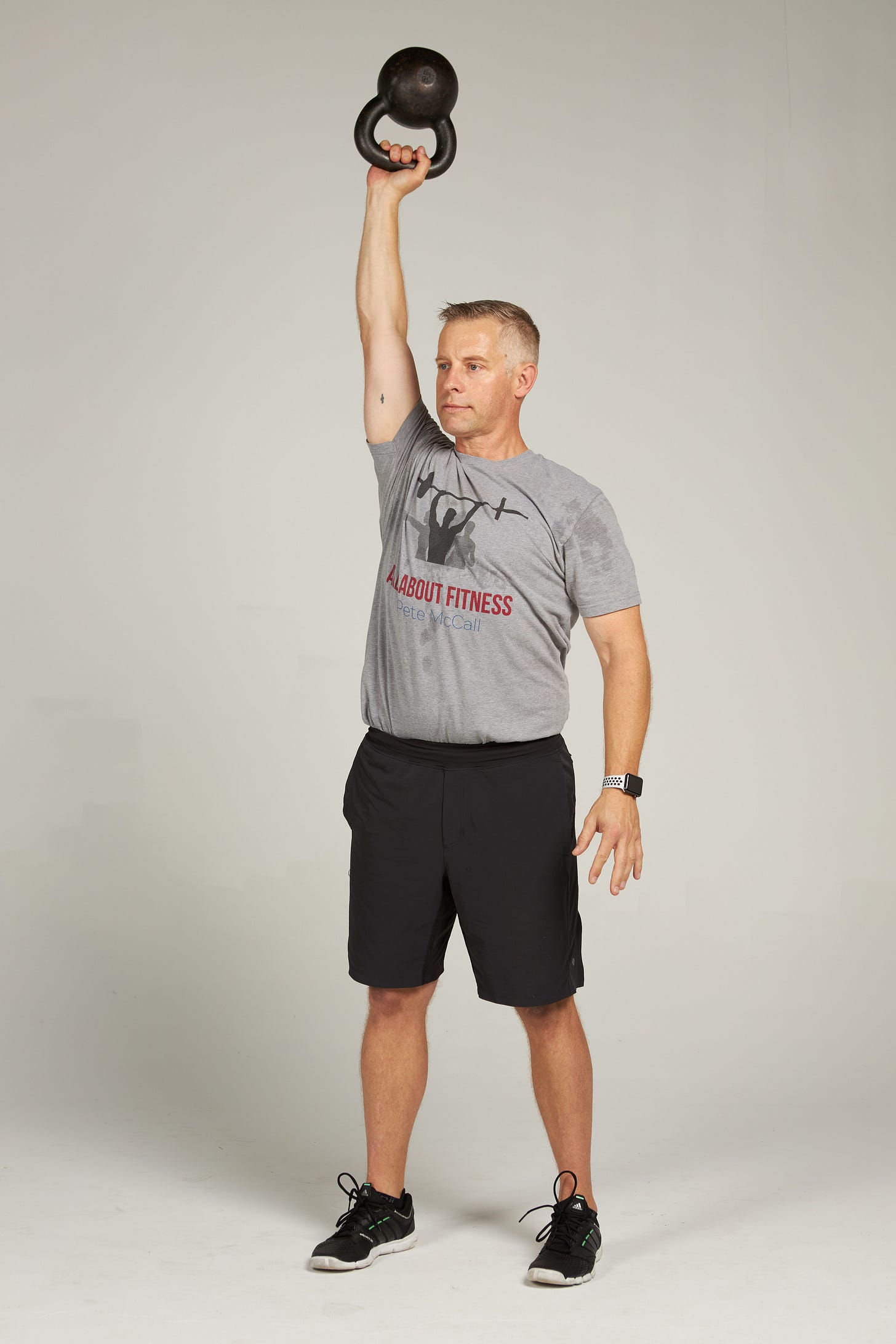
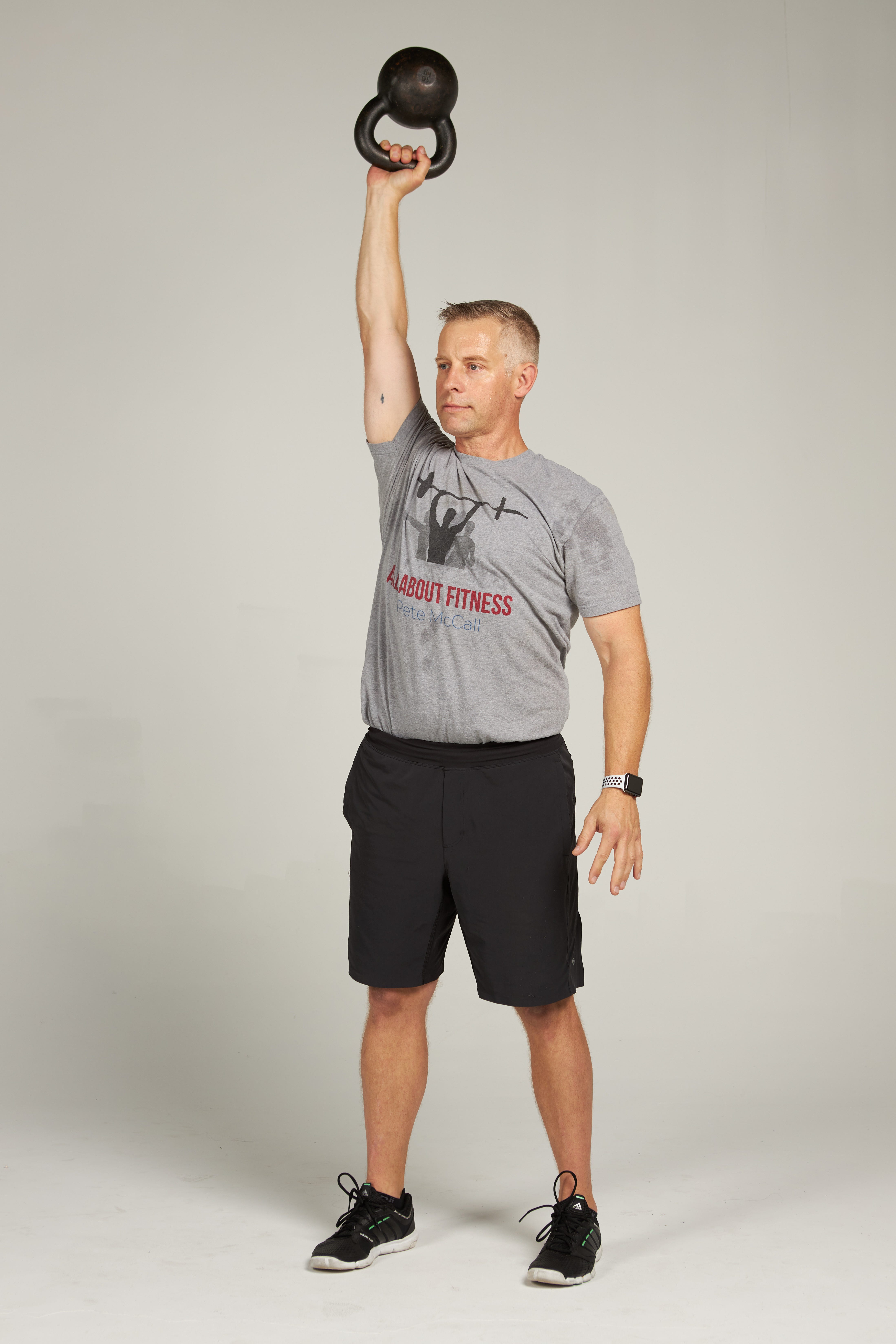
Overhead, bottom’s up carry - grip strength, shoulder stability, active core - YES, please!
Programming
For a workout, I’ll do 4-6 exercises and will always include swings, swing snatches and windmills. This workout addresses both strength and power, primarily from a one-arm position. Anytime you use only 1 arm or leg in an exercise, the core stabilizers have to work a heck of a lot harder to keep your body stable so the working muscles can do their thing.
When I’m doing a kettlebell phase, it’s 2 days a week of explosive training with the ‘bell, then use barbells or dumbbells for the 3rd workout - to focus on max strength.
If you're over 40 and looking for a time-efficient, effective, and joint-friendly way to build strength, boost metabolism, and support long-term health, kettlebells may be your new best friend. These cannonball-shaped weights offer a unique training experience that combines strength, power, mobility, and endurance, all in one.
Do you use kettlebells? How? How do you like them?
Please leave a comment below…