
What to Know About VO2 Max
As a fitness educator, one of the most frequent questions has to do with VO2 Max; specifically, what it is and why it's so important. Here's the answer...


Building Habits Around Longevity
One of the things I’m loving about my current role, personal trainer at the prestigious Rancho La Puerta resort in Tecate, Baja California, Mexico, is educating the guests on the components of longevity and how to properly use exercise in an attempt to extend their lifespans. To help guests learn how to build healthy habits that support longevity, the fitness team has created a longevity program that includes classes on mobility and balance training, zone 2 cardio training, high-intensity interval training (HIIT) and, my specialty, strength training (see this piece about the program).
As part of the program, I conduct lectures to educate the guests on the role of exercise in promoting longevity and how to build habits around the best types of exercise, strength training and HIIT, that support longevity. It’s very rewarding to see individuals take an active interest in learning how to optimize their health and play a part in helping them understand how to do that.
My area of specialty is strength training and conditioning, the aerobic and anaerobic (think HIIT) exercise used to improve heart-rate and energy metabolism. When I lecture on the best types of cardio for longevity, a mix of zone 2 and HIIT, the most common question that comes up is that about VO2 max - people ask what it is and why it is so important.
Since there seems to be a consistent level of interest, it made sense to dedicate a post to the topic of VO2 Max; specifically, what it is, why it’s so important and what you can do to elevate it. Here we go…
What is VO2 Max? (More than Just Heavy Breathing)
At its simplest, VO2 max is the maximum rate at which your body can take in, transport, and use oxygen to help produce the energy that sustains all physical activity, especially exercise. It is measured in milliliters of oxygen consumed per kilogram of body weight per minute (mL/kg/min).
Think of your heart as a car engine: the cylinders of a car engine generate the power that moves the car, the bigger the cylinders - the power the engine can generate to move the car. In a rough analogy, the higher you VO2, the more efficient you heart is at moving blood around your body and the more efficient you are at metabolizing energy to sustain physical activity like repetitive exercise. We’ll return to this analogy in a moment…
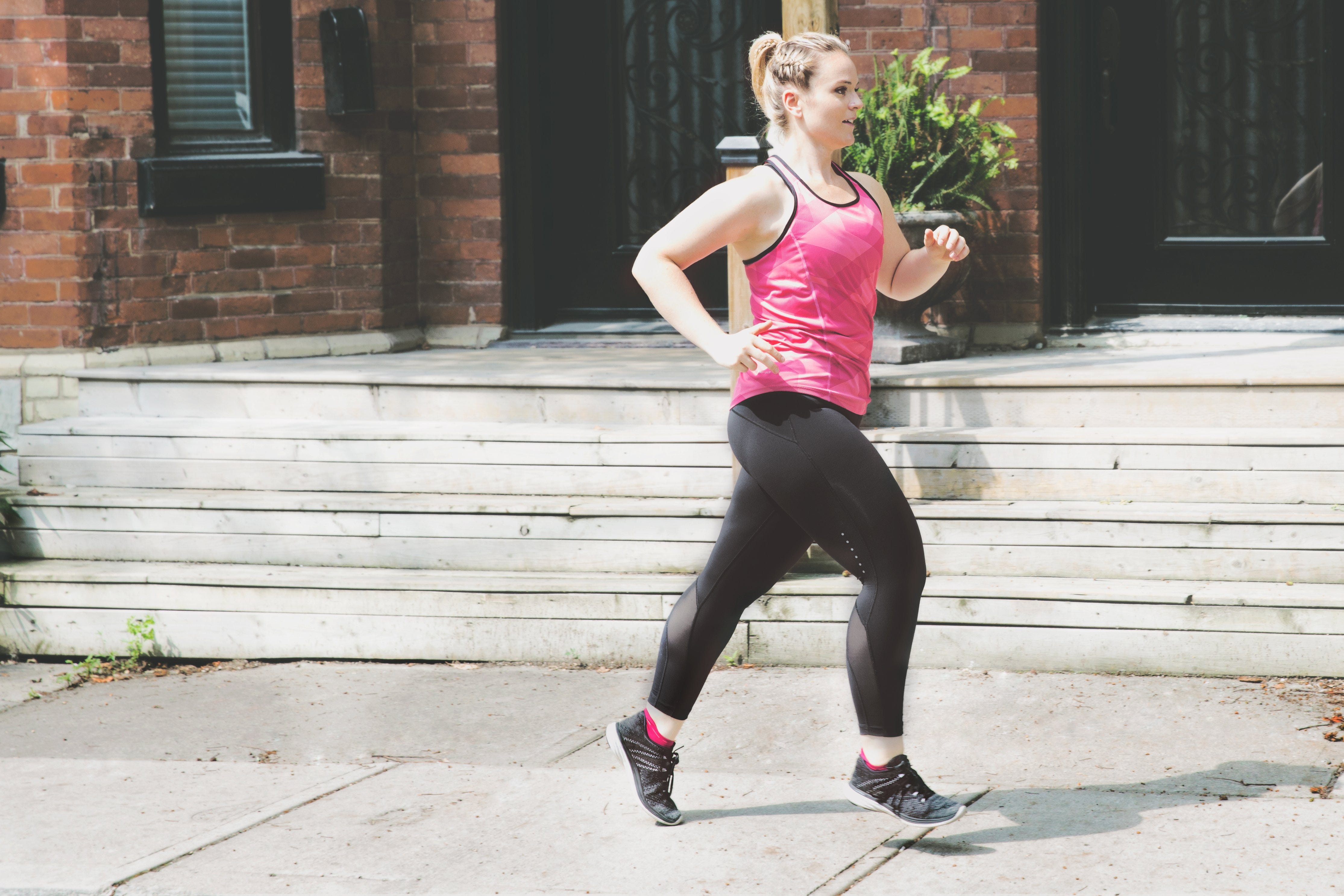
There are 2 primary components of VO2
Cardiac Output (the “Delivery” system):
How much blood your heart can pump, dictated by your heart rate and stroke volume (determined by the size of the left ventricle of the heart, it can increase with consistent exercise).
Arteriovenous Oxygen Difference (the “Extraction” system):
How efficiently your muscles can pull oxygen out of that blood and use it in the mitochondria to create ATP.
Testing for VO2 max, is actually testing the structural integrity of the heart, the elasticity of the vasculature, and the density of the mitochondrial network (located in muscle fibers) all at once.
The Ultimate Determinant of Health
Why has the American Heart Association advocated for VO2 max to be treated as a clinical vital sign? Because the data on cardiorespiratory fitness (CRF) and mortality is staggering.
Research indicates that VO2 max is a more powerful predictor of life expectancy than traditional risk factors like smoking, hypertension, or Type 2 diabetes. Additional evidence has found that individuals in the “elite” fitness category (the top 2.5%) had an 80% reduction in mortality risk compared to those in the lowest fitness group.
Unlike many health markers that have a point of diminishing returns, where too much of a good thing becomes risky, VO2 max appears to have a linear relationship with longevity. Even at the highest levels of fitness, more seems to be better. It demonstrates a “cardiovascular reserve,” that allows your body to efficiently produce the energy to withstand the inevitable stressors of aging, illness, or surgery.
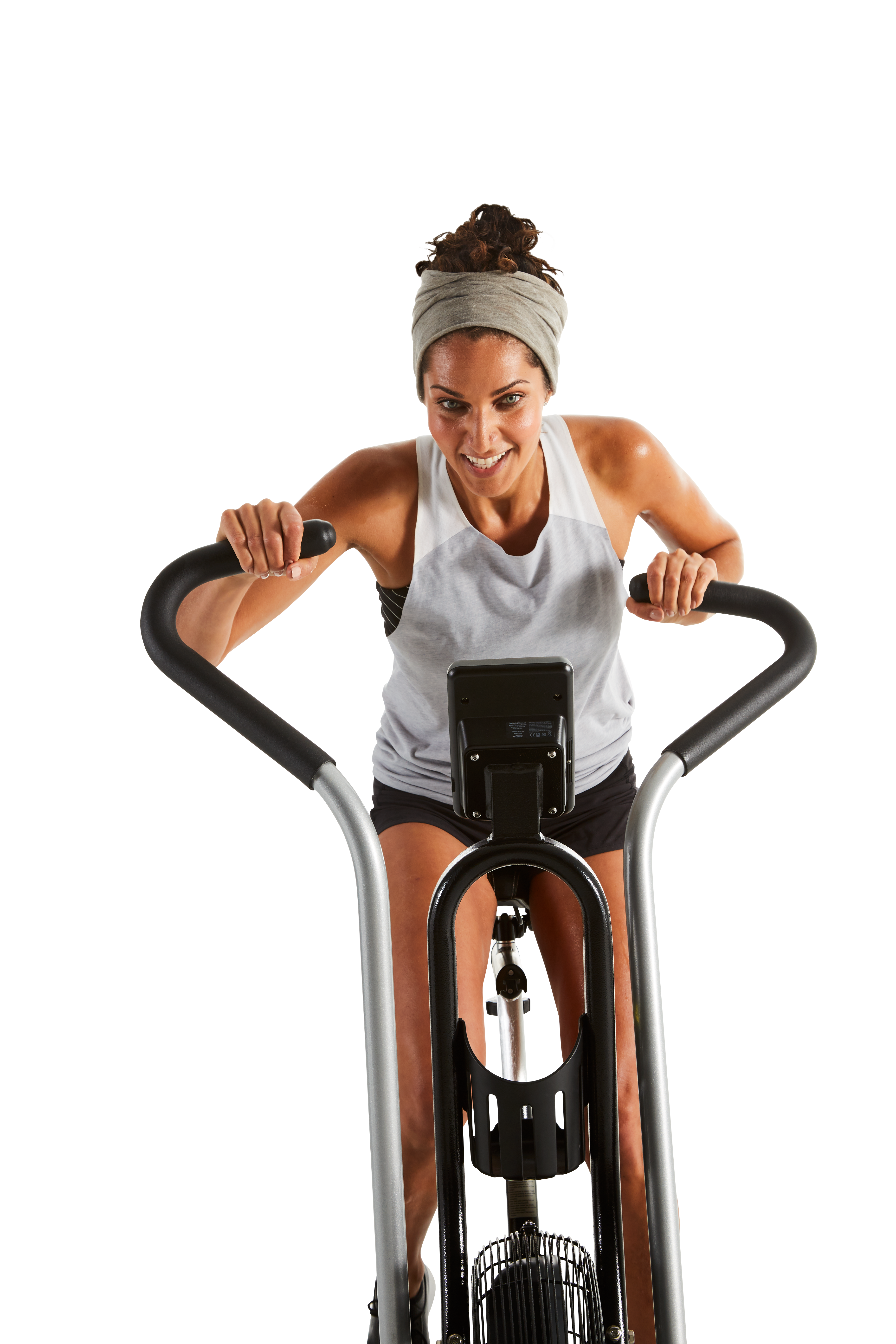
How to Increase Your VO2 Max: The Two-Pronged Approach
Improving your VO2 max requires addressing both components of VO2: Delivery and Extraction. To do this effectively, you cannot simply “jog” at a moderate pace forever (zone 2), nor should you slam your face into a wall doing all high-intensity all of the time. You need to develop a balanced approach that allows you to achieve the benefits of both.
1. High-Intensity Interval Training (The “Delivery” Stimulus)
To increase Cardiac Output, you must develop the heart’s stroke volume; a number of current longevity experts have recommended the Norwegian 4x4 protocol because of its high work-rate.
The Workout: 4 minutes of high-intensity effort (roughly 85–95% of max heart rate), followed by 3 minutes of active recovery (walking or light jogging).
Why it works: These 4-minute intervals are long enough to keep the heart at its maximal stroke volume for an extended period, effectively “stretching” the left ventricle to pump more blood with every beat.
This is a very effective method for enhancing VO2, but one to work up to. Rather than start with 4 minute intervals, my recommendation would be to start with Tabata intervals of 20 seconds of high-intensity exercise followed by 10 seconds of rest, repeated 8 times in a total of minutes. If you go all-out, that 20 seconds can be very taxing, making this a great starting point. Once you can easily complete a full Tabata at an all-out effort, rest 3-5 minutes, then do a 2nd one. Once you can complete 2 4-minute Tabatas, you are ready to start working on the Norwegian protocol.
Begin with 1 minute interval of working at the highest intensity you can sustain the entire time, followed by a 3-4 minute active recovery interval, then do the 2nd 4-minute interval.
Spend 2-3 weeks doing just the 2 intervals; once 2 starts feeling easier, rest 3-4 minutes and add a 3rd. Follow the same formula to work up to the full Norwegian protocol
Take your time to gradually progress into doing the full Norwegian protocol; the above is a suggested progression that should take approximately 12-16 weeks to work up to a full 4 x 4 protocol. This will allow you to build the stamina to make it a more enjoyable experience; if you just jumped in and tried to complete a full 4x4, it would most likely crush you, which can be very de-motivating. It’s a very tough protocol, be rest assured that if you take the time to properly progress the intensity you will also be building your VO2 max; ANY consistent mode of cardio exercise, HIIT or zone 2, will help improve VO2 - the operative word is consistent.
2. Zone 2 / Low-Intensity Steady State (The “Extraction” Stimulus)
While high intensity builds the pump, low-intensity training builds the “factories” (mitochondria).
The Workout: 45–90 minutes of steady-state exercise at a “conversational pace” (Zone 2).
Why it works: This intensity stimulates mitochondrial biogenesis and improves the efficiency of oxygen extraction at the muscular level. It builds the aerobic base that allows you to recover from the high-intensity sessions mentioned above.
The Verdict
For endurance athletes, like distance runners, VO2 max has been a badge of honor for decades; it is a sign of exercise efficiency. A high VO2 can only be achieved from repeated exercise, both high and low-intensity, the most important variable is repeated. If your fitness goals include increasing your longevity, then it will be necessary to a combination of both moderate steady-state cardio (often referred to as Zone 2) and HIIT. A good schedule is to do a good 30-40 minute brisk walk most days of the week with one day dedicated to a long walk or hike of 60 to 90 minutes at a brisk pace, combined with 2-3 HIIT workouts throughout the week. A HIIT workout can include crushing a 4-minute Tabata interval on a rowing machine after a strength workout (my preference), or a 15 minute HIIT workout from an exercise platform like Peloton or Apple. However you do it, making a commitment to train for longevity requires making a commitment to do both the high and moderate-intensity exercise required to build aerobic capacity.
Thank you for reading!
To support the Strength Training for Longevity substack:
Subscribe (for free)
Being a paying supporter (only $8/month - same as a magazine), or
• • Or, just keep reading, apply what you learn and share with your community - let’s make the world a healthier place together.