
Mobility for Longevity, Part 1
Mobility, the ability to control movement, is a critical component of exercise; learn how to use it to extend YOUR longevity...


Mobility and Flexibility are NOT the Same
I don’t know about you, but the ‘5 birthdays always seem to hit a little harder. 30 - no big deal, 35 - that’s when I noticed I needed longer to recover from really hard workouts and felt the impact if I got less than optimal sleep.
Likewise, 40 - again, no biggie; this is when kid #1 was born, BUT the only thing that made me feel old that year was being excited for the installation of new window treatments. However, 45 hit like a ton of bricks and that’s when I noticed that it took a LOT more work to lift the same weights. 50 passed by, no problem, in fact, I used the number as motivation to get back to my college-era bodyweight (195 lbs) and now the goal is to maintain my college-age body weight throughout my 50s; one way I’m doing that is my training a little smarter and making mobility a foundation of my program. (For the record, I’m a ‘72 baby and turn 54 this year).
Move Better to Train Better
If the goal is maintaining a consistent bodyweight, it may sound a little odd to make mobility the emphasis of the program. The rationale is that we first have to move well and maintain that movement efficiency in order to lift the heavy weights and complete the high-intensity interval training (HIIT) workouts that can have a significant effect on mitigating the effects of the aging process.
In other words, based on being a personal trainer and studying movement for the better part of the past 30 years, I know that if mobility and moving well are the emphasis of a workout program, then it will allow me to train at higher intensities with a lower risk of injury. In my personal program, about every 3rd or 4th workout, the emphasis is mobility and bodyweight exercises that involve the hips and thoracic spine moving together. Those mobility workouts, which you can read more about in Smarter Recovery (please don’t mind the blatant sales pitch), are some of my favorite workouts because they recharge muscles without overloading them, resulting in a feeling of being able to do anything!
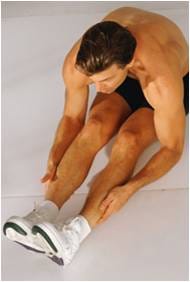
Mobility and Flexibility ARE NOT the Same
In the fitness world, we spent decades obsessed with the concept of “flexibility;” but this was limited to static stretches that function to de-sensitize (shut down) the muscle, allowing it to lengthen. A great concept after exercise, but NOT ideal before a hard workout. It is important to take a new perspective, one that being “bendy” isn’t enough; If you want to maintain the ability to move well and achieve optimal performance in your favorite activities, at any age, it is much more effective to focus on mobility as opposed to flexibility.
Train like an Athlete, NOT a Robot
Have you ever noticed that bodybuilders move very robotically? This is because using only one muscle group at a time does not teach multiple muscle groups to coordinate their contractions and firing rates, which is how muscles actually work. Most exercises that engage numerous muscles to perform a movement through a multi-directional range of motion can not only improve muscle strength but can also enhance both mobility and flexibility. Movement-based strength training exercises that involve the upper and lower body muscle groups working together enhance the CNS communication between muscle motor units responsible for timing muscle contractions; as muscles on one side of joint contract, the muscles on the opposite side have to lengthen to allow that contraction to occur.
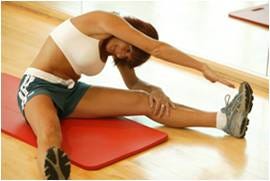
Proper mobility training should focus on bodyweight exercises that integrate movement of your upper and lower body working together as a single system and is an excellent option when you want to move in a way that does not put too much stress on the body or want to promote recovery from a strenuous workout. Here’s an important take-away: exercise does not have to be hard or crush you to be effective; because mobility exercises are specifically designed to help increase joint range-of-motion, tissue extensibility, dynamic balance and coordination without working to a point of fatigue or discomfort they should be considered low-to-moderate intensity.
With repetition, your muscles will improve their ability to time contractions in a way that enhances coordination and movement skill. When compared to traditional isolation exercises, movement-based mobility exercises might at first make you feel a little uncoordinated but the long term benefit is that as you become stronger, you will also be learning how to move better with more control.
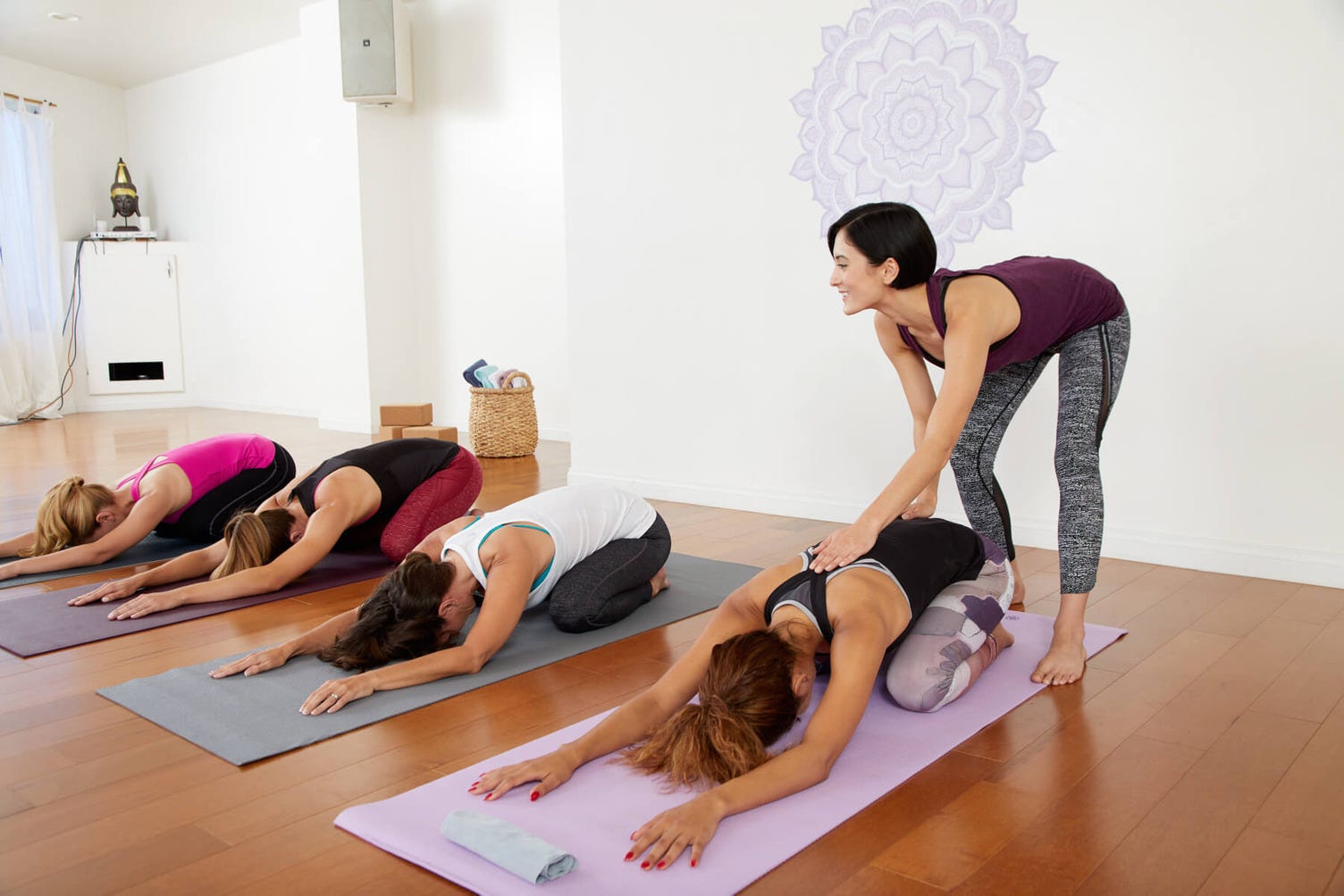
Defining the Terms: Mobility vs. Flexibility
To the uninitiated, these terms are often used interchangeably. However, for the educated fitness consumer, the distinction is vital for injury prevention and performance.
Flexibility is passive. It is the ability of a muscle or group of muscles to relax and passively lengthen to allow a joint to articulate (move) through a complete range of motion (ROM).
Mobility is active. It is the ability of your nervous system to activate the muscles that control joint motion. Mobility is a combination of flexibility WITH strength, coordination, and dynamic balance.
Think of it this way:
Flexibility is having the “slack” in the rope while mobility is having the strength to pull the rope and the coordination to know where it’s going. Having high flexibility without the mobility to control it is actually a recipe for joint instability and injury.
If you want to achieve the longevity benefits of high-intensity exercise, it might be a good idea to take the same approach: emphasize moving well so that you can perform higher work-rates; part 2 will feature specific mobility sequences to help you move and feel better; for now - check out this video I shot a number of years ago to support a blog I wrote and start with these movements.
Thank you for reading!
To support the Strength Training for Longevity substack:
Subscribe (for free)
Being a paying supporter (only $8/month - same as a magazine), or
• • Or, just keep reading, apply what you learn and share with your community - let’s make the world a healthier place together.
Hi Pete, this is such a clear and needed distinction. I really appreciate how you frame mobility as active control and coordination, not just being “bendy,” especially as a foundation for training harder and longer.