

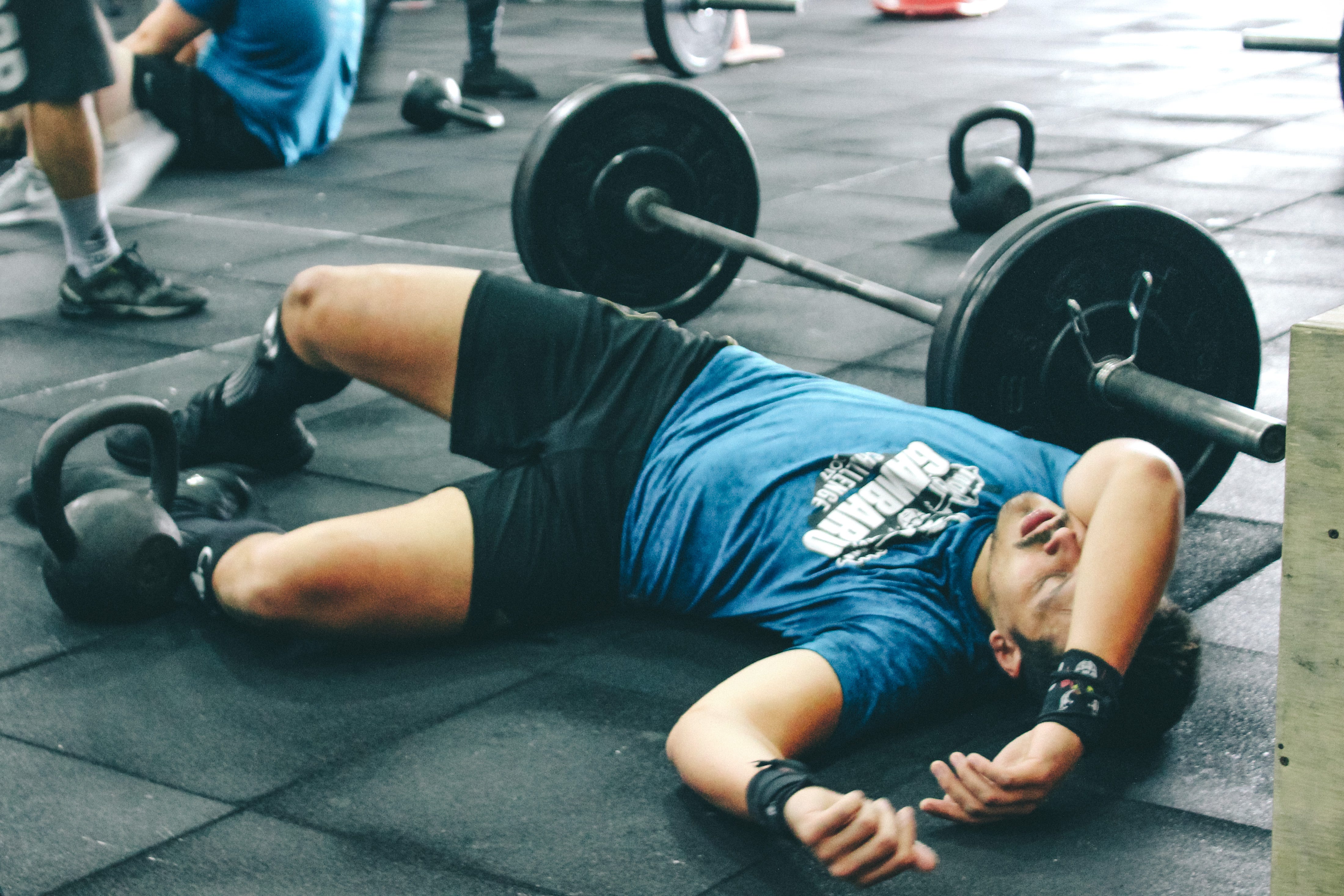
Recovery: The Hidden Engine of Longevity After 40
Back in 2010, when I was working at the American Council on Exercise creating education content for personal trainers, I looked around the fitness landscape and saw that the big trend was high-intensity exercise: CrossFit, Grit, Tough Mudder, there were a variety of different organizations promoting high-intensity exercise, but at the time, NO ONE was talking about recovery - or what to do after the training session.
Recovery for Rugby
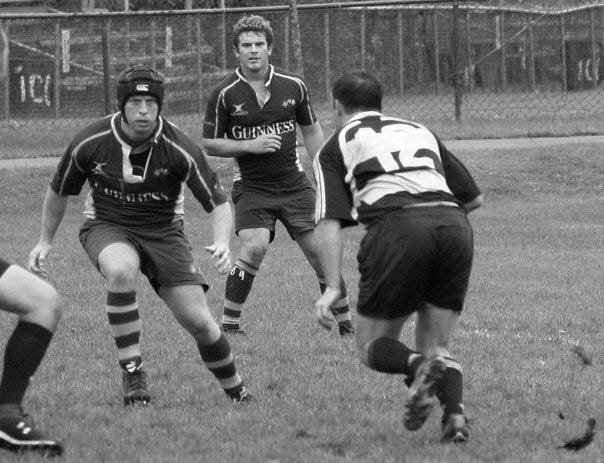
When I was playing competitive rugby in my 30s in Boston (06-08, with the Boston Irish Wolfhounds), I took my recovery very seriously, because I knew that how I recovered would determine how I trained. In 2010, I realized that no one was teaching personal trainers about how to program recovery, so I created and started teaching a workshop at fitness conferences titled, Recovery, the Forgotten Training Variable.
Over the years, I’ve written a variety of articles on recovery (see HERE and HERE - TBH, part of what I’m doing by linking to those pieces is to show you I’ve been educating and creating content for top fitness organizations for years - so, you can trust what you’re learning here) and the following is one I wrote for fitness professionals and tasked Gemini with making it more readable for a consumer audience.
Training for Longevity REQUIRES A Smart Approach to Recovery
Here’s the bottom line, because of the numerous benefits for an aging body, I’m a fierce advocate for high-intensity training as the ultimate, however that approach to training MUST come with an equal approach to what we are doing AFTER the workout to optimize recovery. In short, recovery is a return to homeostasis - the state of rest; the faster we return to homeostasis, the more time we can let our body rest before the next training session.
In the world of professional sports, athletes spend as much time (and money) on recovery as they do on training. Why? Because they know a biological truth: You don’t get stronger during the workout; you get stronger while you recover from it.
For those of us using heavy lifting and HIIT to mitigate the effects of aging, recovery isn’t time off, it’s a physiological requirement to allow time for the results we want.
Why Recovery Matters More as We Age
Exercise is a form of controlled stress. When we perform high-intensity workouts, we create two types of overload on muscle tissue:
Metabolic Overload: We deplete the energy (ATP and glycogen) stored in our muscle cells.
Mechanical Overload: We create microscopic tears in individual muscle fibers and connective tissues.
As we age, our bodies will naturally take a bit longer to return to homeostasis. If we layer a new high-intensity workout on top of a body that hasn’t finished repairing the last one, we risk Overtraining Syndrome (OTS), which can weaken the immune system and lead to injury.
The Pro Athlete Recovery Toolkit (For Free)
You don’t need a cryogenic chamber or an expensive massage therapist to recover like an elite athlete. Some of the most effective strategies are built into how you live and move.
1. Master the Art of “Undulating Periodization”
The biggest mistake fitness enthusiasts make is trying to go “100%” every single day. Instead, use a “Non-linear” approach. This means alternating the stress you put on your body throughout the week.
High Stress Days (RPE 7-10): Heavy lifting or sprints.
Moderate Stress Days (RPE 4-7): Steady-state cardio or moderate resistance.
Low Stress Days (RPE 3-5): “Active recovery” like yoga, walking, or mobility work.
Key Strategy: Follow every high-intensity day with a low-to-moderate stress day. This allows your heart rate to stay elevated enough to circulate oxygen and nutrients to damaged muscles without adding new mechanical stress.
2. Sleep: The Ultimate Anabolic Performance Enhancer
Sleep is the only time your body truly goes into “repair mode.” During Stage 3 NREM sleep, your body releases Growth Hormone, which is essential for regenerating the muscle and connective tissues damaged during training.
The Math of Longevity: Adding just one extra hour of sleep per night gives you the equivalent of a full extra night of recovery every single week.
Target: Aim for 7–9 hours of quality sleep to ensure your hormonal “repair crew” has enough time to finish the job.
3. Utilize “Active Recovery”
Instead of sitting on the couch on your off days, try light movement. This promotes blood circulation, which helps “flush” metabolic byproducts (like creatine kinase) out of your system and delivers the satellite cells needed for tissue repair.
Summary: The End is the Beginning
Bottom line is that I’m a complete nerd for recovery, because it goes hand-in-hand with training for recovery: if you want to keep training hard in your 50s, 60s, and beyond, you have to recover even harder.
During this phase of our life (after age 40) we should approach our exercise like an athlete - we want to train to move and be strong in our body. Meaning, we want to use strength training programs based on compound movement patterns. In addition, we need to be doing up to 3 really hard metabolic conditioning workouts per week. All this stress needs to be addressed with specific recovery strategies.
Here’s the simple formula from Smarter Recovery:
Rehydrate - drink plenty of water
Refuel - consume proper nutrition to repair muscle tissue, promote hormone production and fuel muscle contractions.
Rest - get plenty of sleep; anabolic hormones like T and GH are produced during REM cycles
Repair - use static stretch, myofascial release (foam rollers or sticks), massage guns, massage therapists, heat - sauna, hot tub or steam, or cold - cold plunge or or other cold immersion systems, to enhance the circulation that promotes tissue repair between hard workouts.
When training for longevity, establish the mindset that the end of one workout is simply the beginning of the next:
How you rehydrate, refuel, rest and repair will determine the success of your next training session. By prioritizing the 4 R’s, you can be assured that your time spent sweating will have the desired outcomes.
Thank you for reading!
To support the Strength Training for Longevity substack:
Subscribe (for free)
Provide a gratuity (very greatly appreciated
Become a paying supporter (only $8/month - same as a magazine), or
Or, just keep reading, apply what you learn and share with your community - let’s make the world a healthier place together!


