
Exercise Series: The Hinge and Squat
When longevity is the goal, strength training workouts should be based on the fundamental patterns of movement. Learn the benefits of the hinge and squat movements.

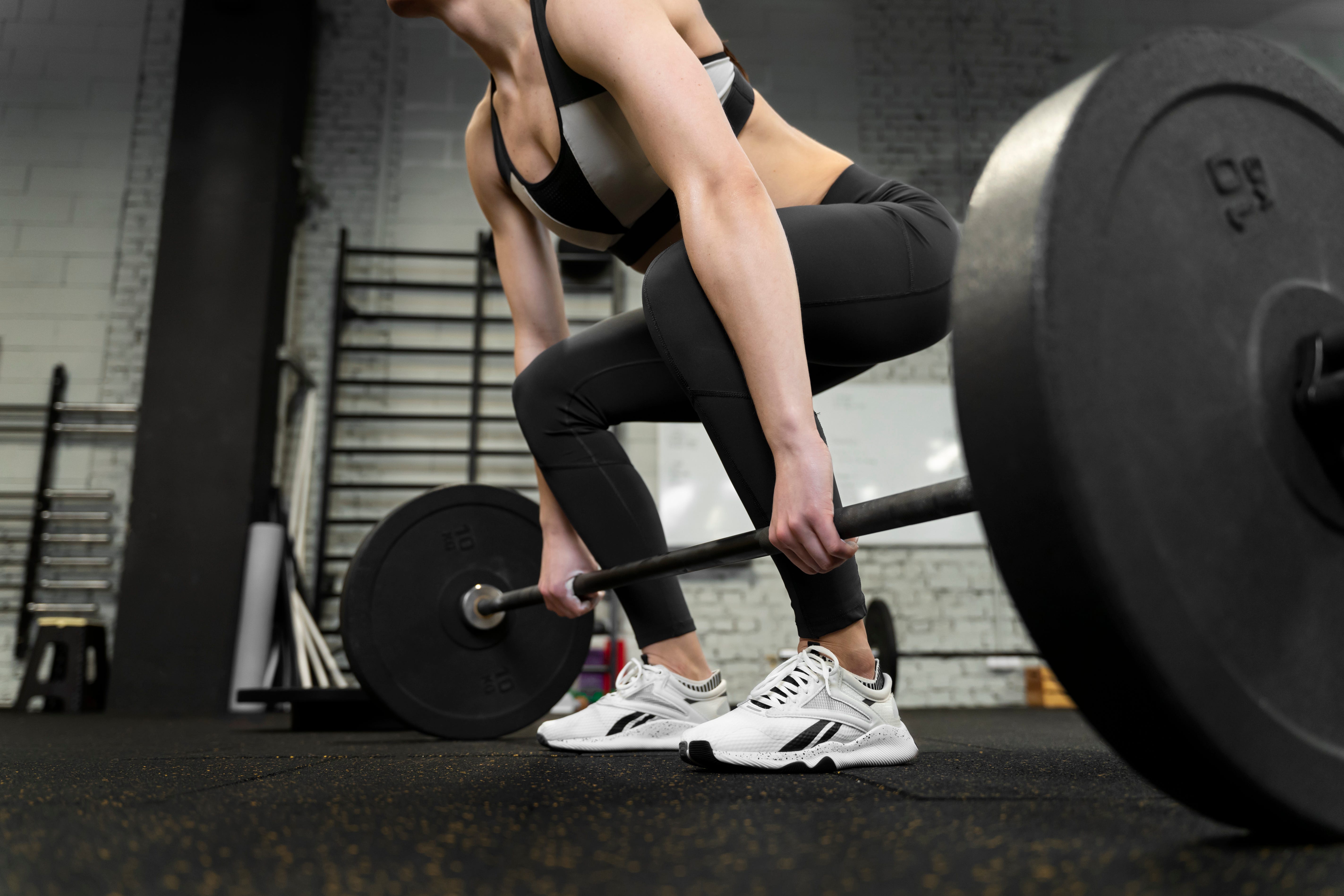
Train Movements Not Muscles
If you’ve spent any time around strength coaches (or if you’ve been reading my content for a while), you may have heard, “Train movements, not muscles.” Coined by one of the first professional strength coaches, Vern Gambetta, the phrase reflects how your nervous system functions to recruit and engage numerous muscles to make movement happen.
First, it’s important to know the role of a strength coach: to design a conditioning program that helps an athlete reduce the risk of injury so they can focus on learning the skills to improve the ability to play their respective sport. To help athletes optimize their performance, strength coaches design conditioning programs based on the fundamental movement patterns, NOT isolated muscle actions.
Second, YES, that is EXACTLY how we should be training during the aging process - like athletes.
Thanks to the influence of bodybuilders, who train to stand on a stage and be judged on their appearance, exercise programs have generally focused on using one body part or muscle group at a time. That is NOT how we move. When we move, the brain sends signals to numerous muscles at the same time; some signals tell muscles to shorten to produce force while other signals are to surrounding muscles to either contract to support the movement or lengthen to allow the movement to occur. FOLLOW THIS LINK to learn more about the benefits of training movement patterns.
The Patterns
There are a few different models; but the general consensus is that the fundamental movements include: hinge, squat, lunge, push (horizontal and vertical), pull (horizontal and vertical), rotate, carry, jump and throw. If I’m going to nerd-out, I’d include: crawling, rolling, climbing and getting up from the ground (all important skills as we age).
Muscles are the machinery that executes those patterns and are controlled by the nervous system. Programming movement patterns helps the brain become more efficient at using multiple muscles at once, ultimately helping to improve coordination.
The upcoming weeks will feature a series on the benefits of programming with the fundamental movement patterns; the first part of the series features the squat and hinge movements.
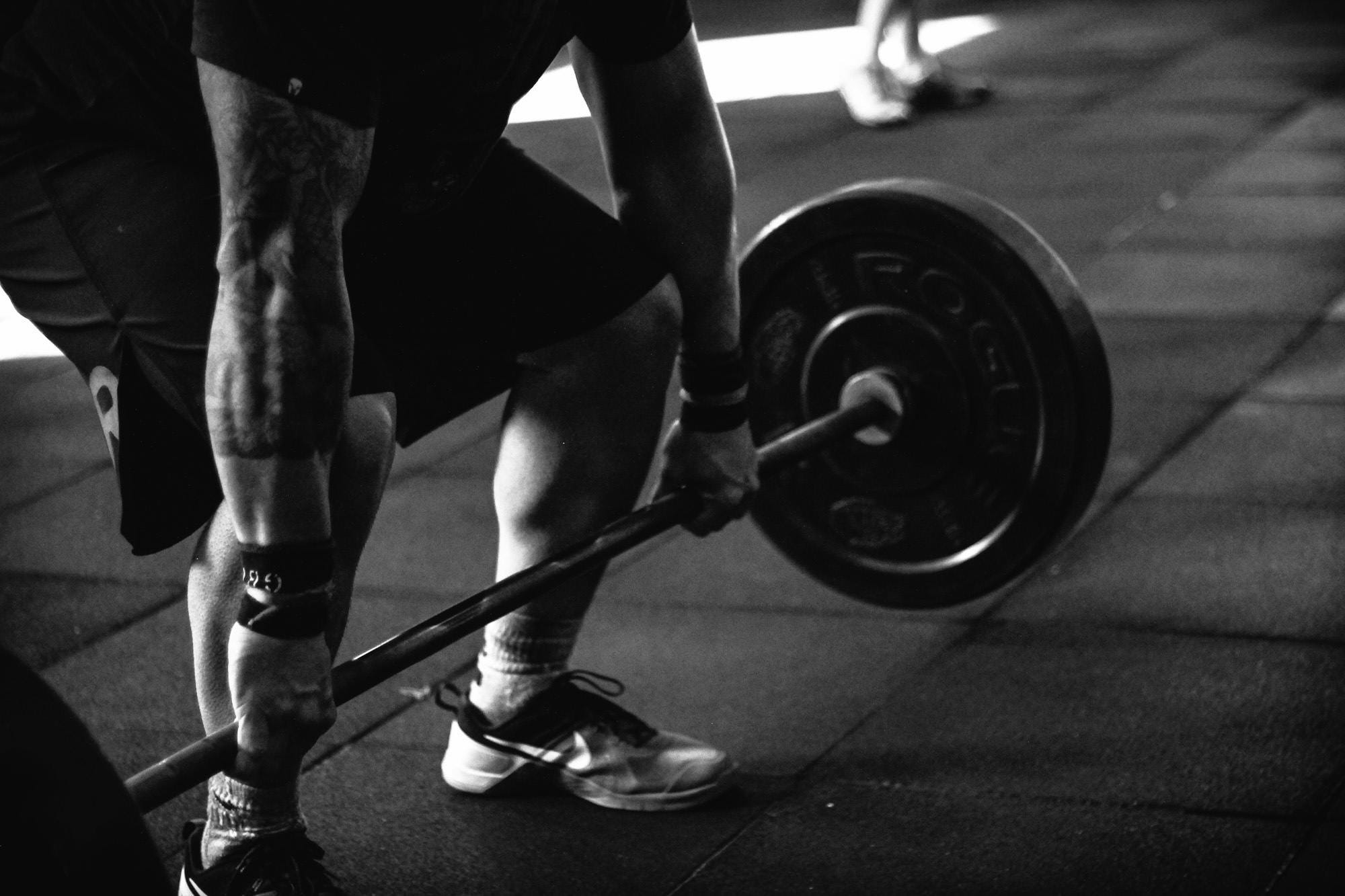
The Hinge and Squat
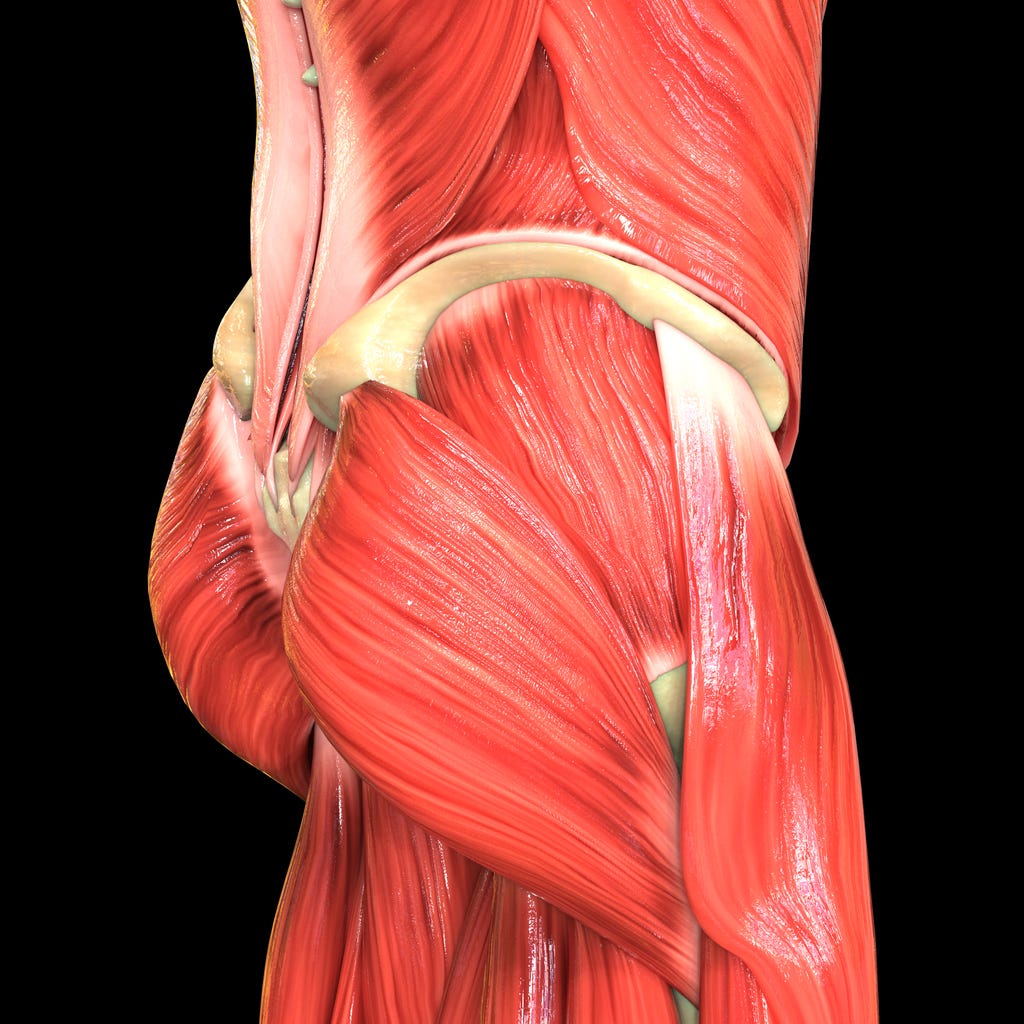
The hips are the foundation of our core and provide the strength and mobility to walk, run and all other upright activities, therefore, hinging and squatting are the foundational patterns that the rest of a lower-body strength training program should be built around, so they are the start of the series. The hips are designed to move in all 3 planes of motion, if the hips lose mobility in 1 of those planes, or if the hips lose the ability to hinge, it will affect how the rest of the body moves (or doesn’t move).
The hip joints are designed to allow a significant range-of-motion. The knees, below, and the structures of the lumbar spine, above, on the other hand, are structurally designed to provide stability with motion limited to one or two primary planes. If the hips lose the ability to move through a specific range-of-motion, then either the feet, knees or lumbar spine will have to compensate to allow that motion to happen (am realizing I’ll need to do a post on muscle imbalances, for now, read this post I wrote for the American Council on Exercise many moons ago).
This is why the hinge motion is so critical - if the hips can’t move, it could cause injuries in other parts of the body.
It’s All Knees These Days
The difference between a hinge and a squat is the knees. In a hinge - the knees remain slightly flexed in a stationary position with the shins completely upright and the movement coming from hips moving back while the trunk is lowering towards the floor (creating hip flexion). In a squat, once the hips start moving back (into flexion), the knees will flex to allow the hips to sink lower.
Performing a good hinge requires the ability to maintain a straight spine while flexing from the hips. Performing a good squat requires the ankle and hip mobility to allow the trunk and shins to remain relatively parallel during the lowering phase.
When in a standing position, these two movements are responsible for how you bend, lift, sit, stand, and generate force from the ground up and are arguably the two most-used movement patterns in daily life. Loading them properly with a handful of key exercises builds a base of strength, resilience, and body control that everything else gets built on top of.
The Hinge: Romanian Deadlifts, Barbell Deadlifts, Barbell Hip Thrust (or hip thrust machine)
The hip hinge is the pattern of bending at the hips while keeping the spine long, think picking something up off the floor, or reaching into the trunk of a car. It’s a pattern most people default to poorly, substituting a rounded-back squat-bend instead, which is where a lot of low-back trouble starts.
Romanian deadlifts (RDLs)
The hinge in its purest form. Because the bar or dumbbells travel only from about hip height to knee height, RDLs engage the adductors, hamstrings and glutes throughout a complete range of motion. This makes them one of the best tools for building posterior chain strength and hamstring flexibility simultaneously, a combination that protects against hamstring strains and supports knee health. Moving from the hinge to the standing position teaches the hamstrings how to extend the knees in a closed-chain position enhancing strength for walking and running. We walk with our feet on the ground, we want to do a majority of our lower body exercises with the feet on the ground.
Barbell deadlifts
The difference between the deadlift and the RDL is that the former starts from the floor (in a ‘dead’ position), while the latter starts with the load being held at waist height. Pulling a barbell from the floor requires grip strength and full total-body tension - connecting the muscles of the legs, core and upper-body to coordinate force production. Few exercises recruit as much muscle mass at once, making deadlifts effective for elevating levels of muscle-building peptide growth factors and T, building raw strength and increasing bone density. Learning to brace the core and generate force from the ground through a rigid spine is a skill that transfers directly to everyday tasks like lifting boxes, moving furniture, or picking up a child, making the deadlift as much a life-skill exercise as a gym lift. If you’re not doing either deadlifts or RDLs in your program on a consistent basis - rethink that NOW!
Hip Thrust
Made popular by Bret Contreras, PhD - who researched the biomechanics of the movement for his doctorate, this is THE exercise to do to build lower body strength in an aging body. The hip thrust places the load on the anterior of the pelvis, which fully engages the glutes to extend the hips with the same kinematics used in walking and running (it trains the muscles to produce force in a posterior direction to extend the hips, how they work when walking or running; whereas squats train the legs to generate the force downwards, directly into the ground). In addition, the hip thrust has almost no vertical compression on the knees and structures of the lumbar spine, allowing the hips to articulate through the full sagittal plane range-of-motion (geek speak for it allows a full ROM). The traditional hip thrust is a barbell lying across the hips; however, equipment companies now provide a variety of options to gyms, those can be much more comfortable.
Together, these hinge variations build a strong posterior chain resilient to injury. Hinges are the structural foundation to most other lower-body movements and recruit the muscles of the calves, hamstrings, adductors, glutes, spinal erectors and latissimus dorsi.
The Squat: Goblet Squats (Dumbbell and Kettlebell), and Barbell
Where the hinge focuses on movement at the hips, the squat pattern requires the hips, knees, and ankles to work synergistically for a complete range-of-motion. It’s the pattern responsible for the ability to get up and down off the toilet, so if we want to remain functionally independent as long as possible (remember that LTAD?) we NEED to make sure we can perform the squat ALL of the through the aging process.
Dumbbell goblet squats are one of the most accessible entry points into loaded squatting. In my educated opinion, over the age of 40, there is no need to do loaded back squats and they are a technically challenging exercise to perform correctly with optimal spinal alignment. Now, if you’ve been doing loaded back squats since MC Hammer was a chart topper, keep on doing them - your body has adapted. For someone starting a strength program in their 40s, the barbell back squat would probably be one of the LAST lower body exercises I would use.
Holding a single dumbbell (or kettlebell) at chest height naturally encourages an upright torso which is essential for performing a full, controlled range-of-motion (a barbell on the upper back can cause a forward lean, a dumbbell in front of the chest helps maintain thoracic extension). In addition, the counterbalance effect helps beginners find good positioning without the technical demands of a barbell on the back. Goblet squats build quad and glute strength while reinforcing the ankle, knee, and hip mobility needed for a deep, safe squat pattern.
Barbell squats are a killer tool for developing total body strength, when the proper movement mechanics are present. One of the easiest ways to get injured in the gym is performing a barbell back squat incorrectly, therefore, my recommendation is that if you’re just starting your fitness journey - focus on the goblets and use the barbell for deadlifts and RDLs. Safety first. For those of use who’ve been doing barbell squats for years - as long as you can maintain the proper mechanics - LOAD it! FYI, strong glutes aren’t just about aesthetics, they move the hips, so they are also responsible for protecting the knees and lumbar spine. If the glutes aren’t functioning properly than spinal erectors and hamstrings tend to do more of the work which is, as my Mexican friends say, no bueno!
Rather than thinking of RDLs, deadlifts, goblet squats, and hip thrusts as isolated exercises, think of them as different expressions of two patterns your body relies on constantly. Master them, and you build a foundation strong enough to support a lifetime of enjoying your favorite activities.
Designing the Workout
When it comes to designing a lower-body strength training program, hinging or squatting are the foundational movements that the rest of the program is built around. A good program should have 1-3 core movements and 2-4 accessories (there are many ways to design a program, this is just one); meaning that a deadlift, RDL or squat should be in each lower body workout. NOT all 3 at the same time (unless you aren’t planning on walking the next day). Most the lower body programs I write start with either a deadlift, RDL, squat or hip thrust because that is the way to engage the most muscle and, when training a movement pattern, it’s important to do the more technically challenging lifts first when the nervous system is excited and not fatigued. Whereas saving heavy deadlifts until the end of the workout means the lower body muscles will most likely be depleted of glycogen, so the ability to rapidly produce energy is affected. In addition, the nervous system will be fatigued and attempting a technical lift on a spent CNS significantly enhances the risk of injury.
Yes, developing training the hinge and squat patterns will improve muscular strength and movement coordination both essential for optimizing our longevity. But a brief word of caution: developing strong glutes will significantly increase the risk of butt pats or caresses from your partner(s).
Thank you for reading!
To support the Strength Training for Longevity substack:
Subscribe (for free)
Provide a gratuity (very greatly appreciated - if the info you read here is helping you to optimize your health, this is a great way to say thank you).
The purpose of this substack is to help you learn how to use exercise to extend your lifespan, your support and gratuity are GREATLY appreciated!
Become a paying supporter (only $8/month - same as a magazine), or
Or, just keep reading, apply what you learn and share with your community - let’s make the world a healthier place together!
Plan a trip to recharge and reboot your health and fitness program at the world famous Rancho La Puerta resort and spa in Tecate, Baja California, Mexico. You can take fitness classes, learn valuable mindset skills and enjoy a week of reconnecting with yourself.
As a reader of Strength Training for Longevity, use code RLP-PMC for a 20% discount!
(first time guests; or those who have not been to The Ranch in 5+ years are the only ones eligible for the discount)
Learn more about YOUR muscles with Dynamic Anatomy

I especially like the connection between movement patterns and coordination. Strength that doesn’t transfer into better movement is a pretty limited kind of fitness, particularly as the goal shifts from performance to staying useful in everyday life.