
LTAD for Longevity, Part 3 - Exercise Programming
The 3rd part of this series will address which exercises should be the foundation of a strength training program for longevity.

Setting the Foundation
Now that we understand the benefit of a LTAD plan for longevity (read the previous post to catch-up HERE), let’s review which exercises should be the foundation of a strength training program.
First, as a strength coach and someone who was spent years writing articles, textbook chapters and books on exercise science, my approach is programming exercises based on fundamental movement patterns, which include: squatting, hip hinging, lunging (or any single-leg movement), pushing (horizontal and vertical), pulling (horizontal and vertical), rotating, carrying, jumping, throwing and climbing. The brain knows movement patterns, not which muscles perform which activity - to read more about why this is so important, FOLLOW THIS LINK!
Second, these are NOT the only exercises to do, however I do consider them foundational movements that the rest of a program should be built around. There are many ways to design workouts, what is important is having an adequate warm-up and using a combination of intensity (amount of weight) and reps that will stimulate the desired changes (READ THIS to learn more about how to use intensity and reps). A good workout should be based on 1-4 of these foundational movements along with 2-6 ‘accessory’ exercises that focus on improving strength in specific muscles (or enhance aesthetics, whichever is more important to your goals). The variance in number of exercises is so big because I believe that when time is limited, a workout based on 1 foundational move and 2-3 accessories should only take 15-20 minutes; and when it comes to strength training for muscle growth - consistency is key, it’s better to do a little strength training than none at all!!!
When time allows, do more exercises, however, when time is limited, a little bit of something is better than a lot of nothing!
Exercises we SHOULD be Doing as we Age
This post is introducing these exercises, the following posts will go into detail on each group of movements, how to do them safely and why they are so important. The exercises in the list below are arranged according to movement pattern:
Squatting / Hinging Patterns
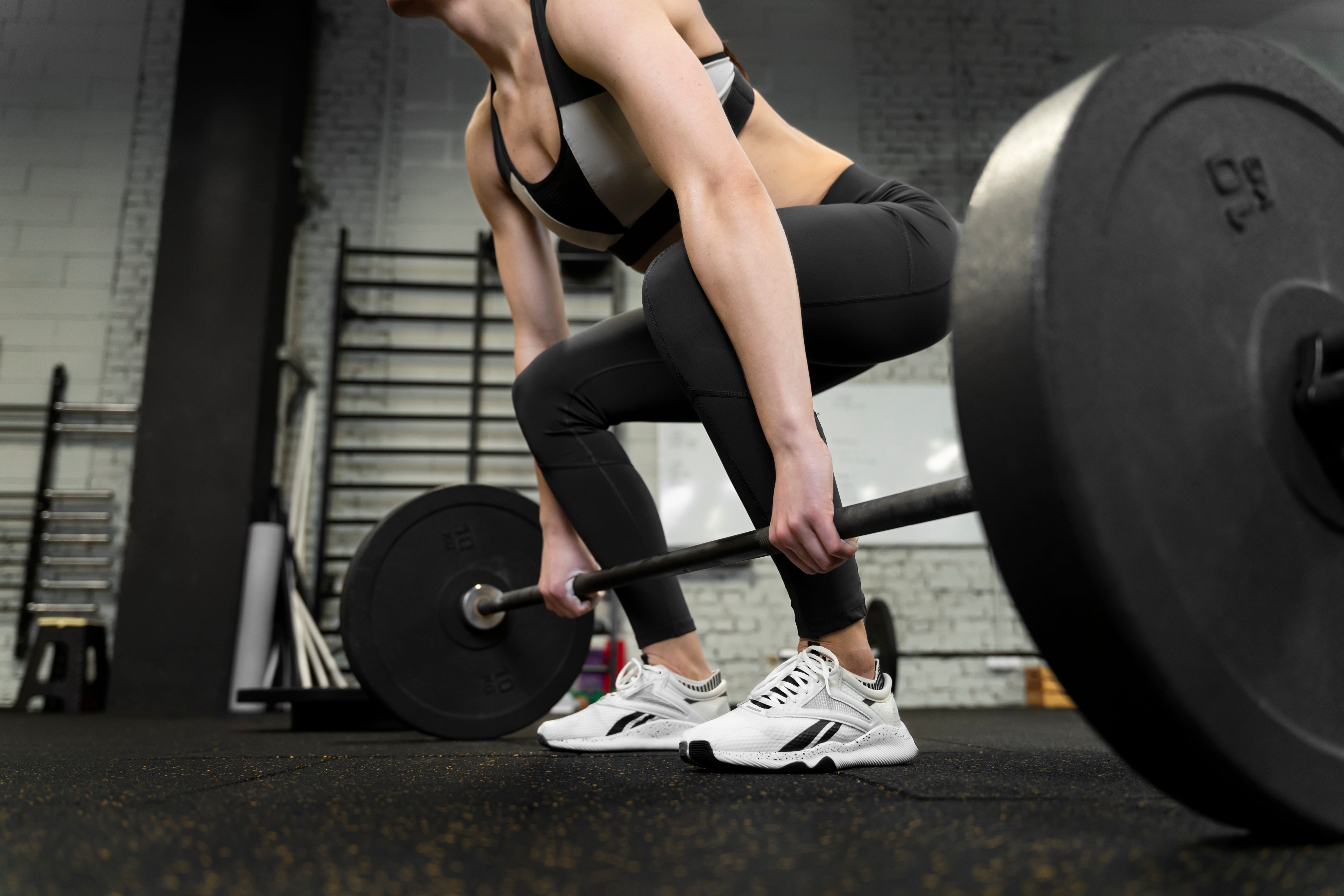
Hip hinging (RDLs and deadlifts), goblet squats and hip thrusts
Lunging / Single-leg Patterns
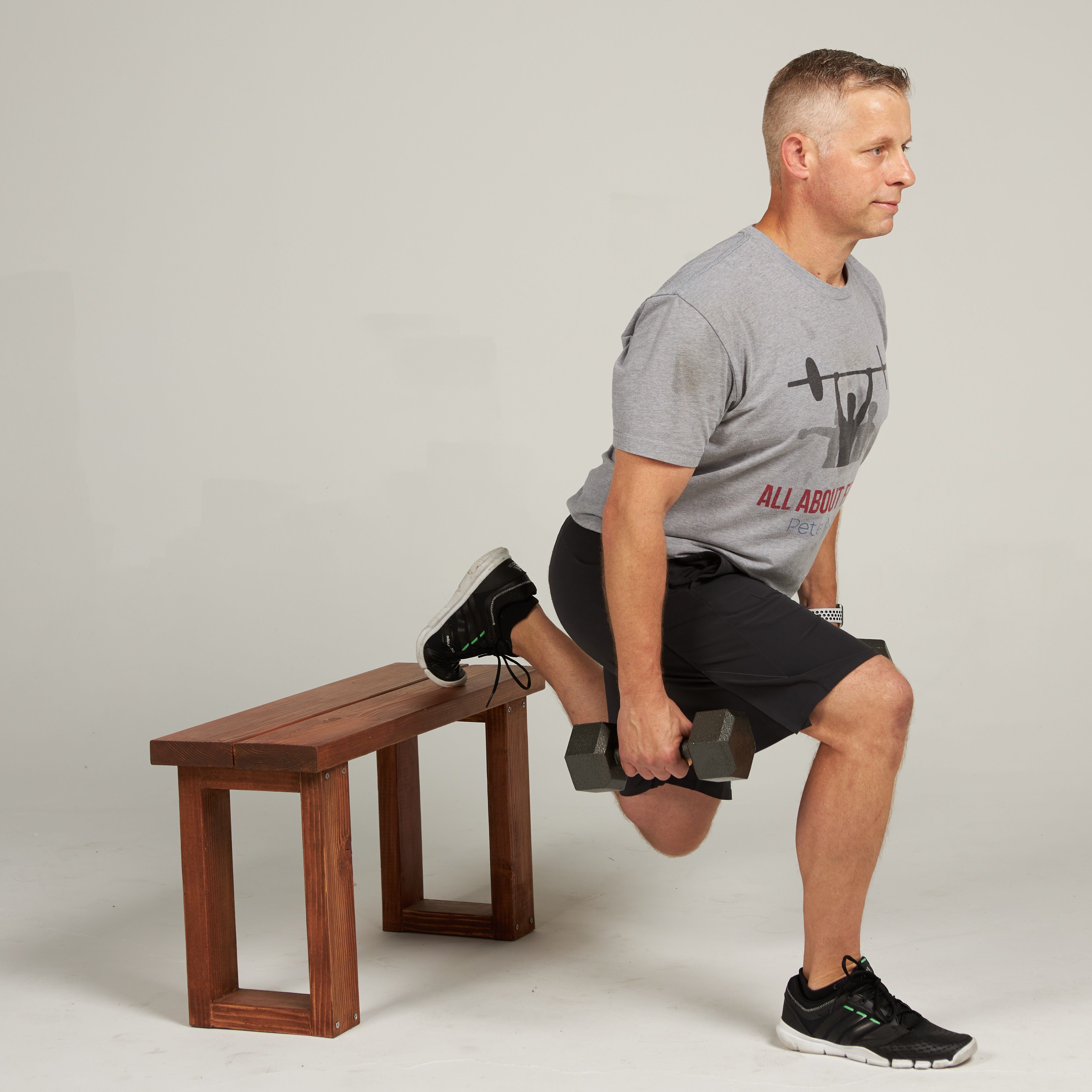
Rear lunges and rear-foot elevated split-squats
Pushing - Horizontal & Vertical
Incline chest press, 1-arm cable press, push-ups
Overhead press
Kettlebell push press, one-arm press and windmill
Pulling - Horizontal and Vertical
Pull-ups and pullovers
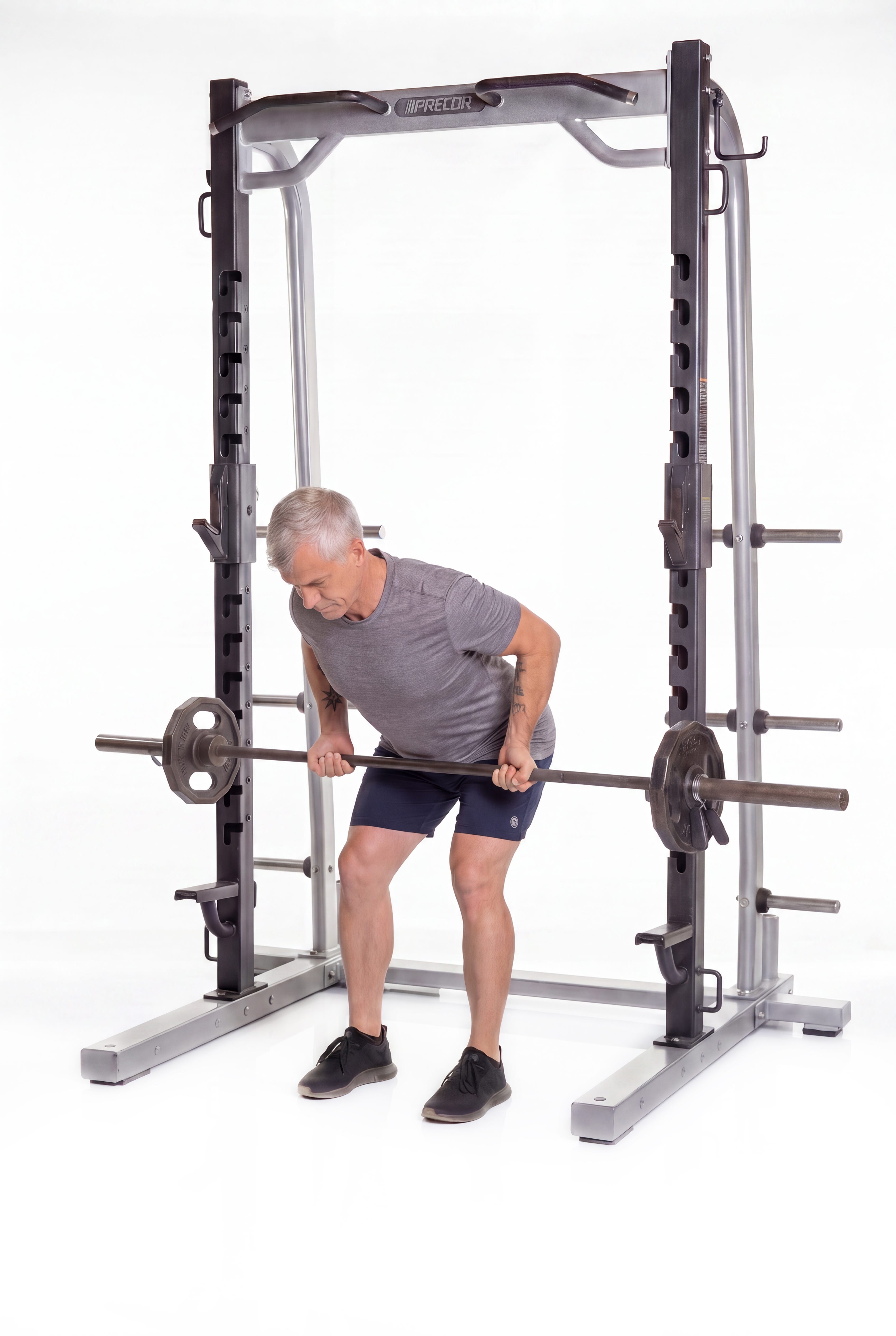
Bent-over rows, 1-arm plank rows and 1 leg / 1 arm rows
Rotation
Hi-to-low chops on cables, low-to-high chops with medicine balls
Metabolic Conditioning and Non-traditional Strength Training
Sled pushes and pulls; 3 way kettlebell carries
Kettlebell swing and swing snatch
Walking, hiking and cycling
Sprinting and rowing machine
These exercises are based on fundamental movement patterns and involve numerous muscles to develop integrated strength between all of the muscles, as opposed to doing exercises that focus on only one muscle group at a time.
Tweaking the Movements Over the Years
In a follow-up to the previous post, these movements can be adapted or tweaked for the strength training we should be doing in our 40s, the hypertrophy training for muscle growth in our 50s and explosive training for neural enhancement in our 60s. Think of these exercises as the foundation for how we should be strength training throughout the entire aging process.
Here’s the thing, there is a lot of evidence suggesting that working for too long (more than 60 minutes) can actually lower Testosterone and growth hormone levels. It can be much more efficient and effective to focus on shorter workouts using movements that engage a number of muscles along with weight that makes the work very challenging.
How I Program My Workouts
For my own workouts, if I’m in the gym more than 50 minutes, it’s because I’m taking some extra time to stretch and work on mobility, or because I ran into a friend and integrated some social time in the workout. I plan 8-15 minutes for a warm-up, 4-8 exercises for the workout (depending on time), use weight that makes 8-10 reps challenging and organize exercises in complexes (3-4 exercises in a row) or circuits (6-10 exercises in a row) to increase metabolic overload. Finally, the goal is to do at least 3 sets; I’ll work up to 5 sets when I have a little more time and want to create more stimulus within the given time window.
This is definitely not the only way to approach designing workouts, but a way that I’ve developed over the years as the result of reading the published research. When I write workout programs, they are based on evidence-based, peer-reviewed research that applies the foundational principles of exercise program design while adhering to the laws of physics. In other words, if it’s in a program I write, there is strong scientific evidence that it’s what we should be doing.
The following posts will go into specifics on each group of exercises in the list above; at the end of the series, you’ll have a much better understanding of how and when to use specific exercises.
The video below is from an education course I produced and sold in 2020 (it’s one way I made $$$ during the pandemic). The video quality could be better, but the info is valid and will help bring some insight and clarity to the concepts discussed above:
Your point about the brain knowing movement patterns rather than muscles is the piece that changes how people think about programming. Enjoyed it, thank you!
https://www.frontiersin.org/journals/physiology/articles/10.3389/fphys.2025.1638590/full?hl=en-US
This is one of my go-to(s). Good study!